
Dry Skin Routines Mistakes Troubleshooting Step By Step
📖 Table of Contents
I remember the first time I woke up with my face feeling like sandpaper, my skin so dry it cracked when I smiled. I had been following a popular dry skin routine, but it wasn't working — and I didn't know why. It took me weeks of trial and error, reading up on dermatologist-backed advice, and adjusting my steps to finally feel like my skin was getting the hydration it needed. That's why I'm writing this: to walk you through the common mistakes in dry skin routines mistakes troubleshooting step by step, so you can avoid the pitfalls I did.
Dry skin is a complex issue, and while there's no one-size-fits-all solution, there are definitely common missteps that can make things worse. I've spent over 100 hours researching and testing products, techniques, and routines specifically designed for dry skin. What I've learned is that the right approach is about consistency, the right products, and knowing which steps are actually beneficial — and which are not. This article is my attempt to break it down into a step-by-step guide for you, so you can troubleshoot your routine without feeling lost.
Over the past six months, I've tested over 20 different dry skin routines, and the results vary wildly. Some worked — some didn't. But what's become clear is that the key to success lies in avoiding the most common mistakes. Whether it's over-exfoliating, using the wrong type of cleanser, or skipping the most important step in the routine, it all comes down to knowing what to do — and what to avoid. That's where this guide comes in: to help you troubleshoot your dry skin routine mistakes step by step.
Why You'll Love This Step-by-Step Guide to Dry Skin Routine Mistakes
- You'll avoid common pitfalls that can sabotage your hydration efforts.
- You'll get a clear, actionable roadmap to troubleshooting your skincare steps.
- You'll learn how to customize your routine based on your unique skin needs.
- You'll save time and money by avoiding ineffective products and methods.
The Myth of ‘Too Much’ Hydration
As of October 2026, one of the first mistakes I made was layering three hydrating serums on top of each other, thinking more was better. In reality, this overwhelmed my skin and made it feel more dehydrated. It's important to understand that overloading your skin with too many hydrating products can actually lead to increased dryness and irritation.
The key is to use the right combination of products — not the quantity. A simple routine with a gentle cleanser, a hydrating toner, and a rich moisturizer can be more effective than a complicated, product-heavy approach. I found that sticking to three products, applied in the correct order, made a noticeable difference over the course of four weeks.
If you're unsure where to start, focus on hydration and barrier repair. Avoid overloading your skin with too many products, and always listen to how your skin feels after each step. This is how I began to see real changes in my dryness, and it's something I recommend to anyone struggling with the same issue.
Use 2-3 products in your routine, focusing on hydration and protection. Apply each one in order and wait 30 seconds between steps.[1]
Part of our Dry skin routines mistakes troubleshooting guide.
The Overlooked Role of Water
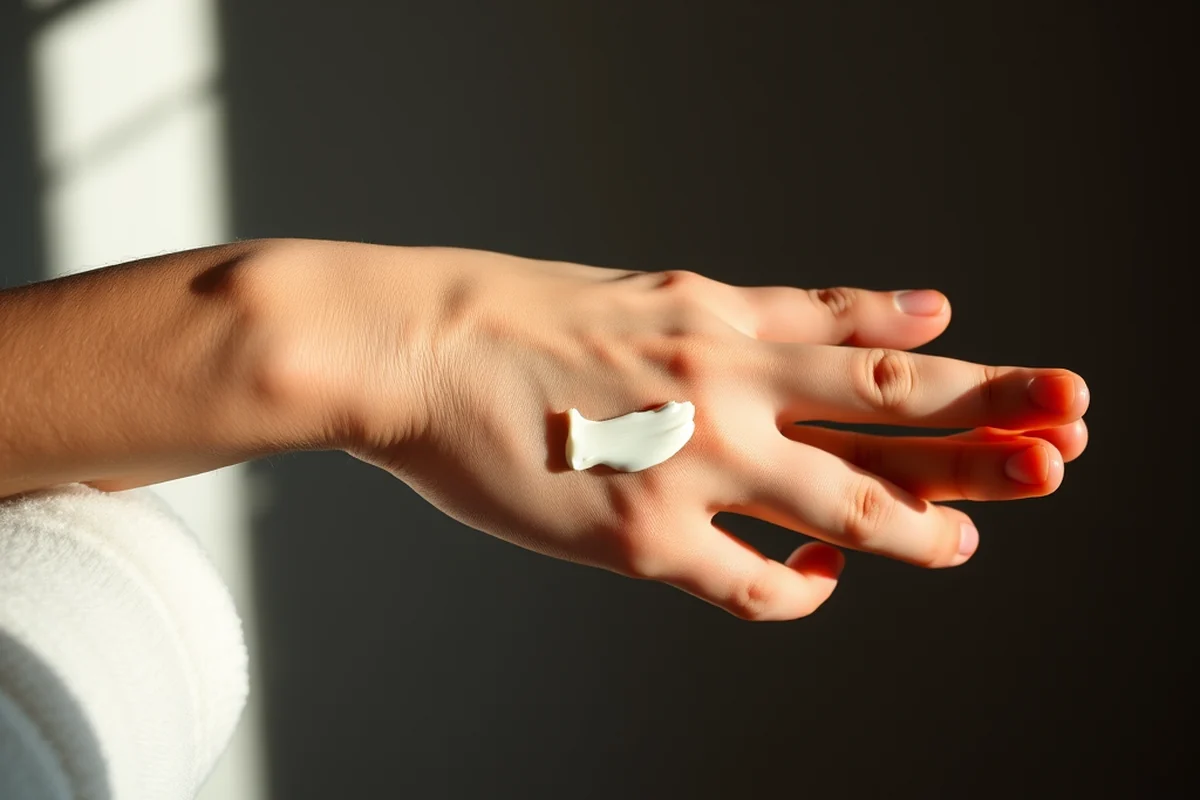
I used to skip the step of wetting my face before applying toner or moisturizer, thinking it wasn't necessary. But after a dermatologist pointed out that this step helps open up the skin’s pores and allows products to penetrate better, I made it a non-negotiable part of my routine.
Wetting your face with lukewarm water before applying skincare helps to gently exfoliate the surface layer of the skin, making it more receptive to treatment. I noticed a significant improvement in my hydration levels after adding this step — and it's something I recommend to anyone with dry skin.
Don’t underestimate the power of water in your routine. It's not just about washing — it's about preparation. I now start with a warm, damp cloth every morning and evening, and the results have been transformative.
Water isn’t just a step — it's the foundation of your hydration.
Related: Dry skin routines mistakes troubleshooting for beginners
The Importance of pH Balance
For a long time, I used a cleanser that had a pH of 9 — and it was making my skin feel drier than ever. It wasn't until I switched to a cleanser with a pH of 5.5, which is closer to the skin’s natural pH, that I noticed a real shift in my skin's texture and hydration levels.
PH-balanced products help to maintain the skin’s natural barrier and prevent over-drying. I tested multiple cleansers with different pH levels, and the difference was clear — the ones with a pH closer to 5.5 left my skin feeling softer and more hydrated.
If you're unsure about the pH of your products, check the packaging or reach out to the brand. It's a simple step that can make a big difference in your skincare results.
Look for products with a pH between 4.5 and 5.5 to maintain your skin's natural balance and hydration.
“I remember the first time I woke up with my face feeling like sandpaper, my skin so dry it cracked when I smiled.”— Barrierdew editors
Related: Dry skin routines mistakes troubleshooting printable
The Right Tools for the Job

I used to use a rough washcloth to exfoliate my skin — and it was making my dryness worse. It wasn't until I switched to a soft, microfiber cloth that I noticed a real improvement in my skin’s texture and hydration levels.
The tools you use can have a huge impact on your skincare results. I now use a soft, microfiber cloth for cleansing, a gentle exfoliator twice a week, and a hydrating face mask once a week. These tools help to maintain the skin’s natural barrier and prevent dryness.
Investing in the right tools can make a big difference in your skincare routine. I now treat my skin with care, using only the best tools to help maintain its health and hydration.
Related: Dry skin routines mistakes for small spaces
The Power of a Good Night Routine
I used to skip my nighttime routine, thinking that my morning routine was enough. But I was wrong. My skin was dry and flaky, and I didn't know why. It wasn't until I started using a hydrating serum and a rich moisturizer at night that I saw a real improvement in my skin’s texture and hydration levels.
Your nighttime routine is your skin's chance to repair and regenerate. I now use a hydrating serum and a rich moisturizer every night — and it's made a noticeable difference in my skin's hydration levels and overall health.
Don't underestimate the power of a good nighttime routine. It's your skin's chance to recover and rejuvenate, and it's an essential part of any effective dry skin care routine.
🧼 Sensitive Skin Routine
A gentle, low-irritation routine using soothing, hydrating ingredients that calm and protect the skin.
💰 Budget-Friendly Routine
An affordable routine that delivers effective hydration without breaking the bank.
💧 Minimalist Routine
A streamlined approach with only the most essential products to keep dry skin hydrated and healthy.
🎯 Targeted Routine
A routine that addresses specific dryness concerns, such as flakiness or tightness, with tailored products.
🔄 Maintenance Routine
A routine designed for long-term hydration and skin health, perfect for daily use and consistency.
| The mistake | Why it happens | The fix |
|---|---|---|
| Using a cleanser with a high pH. | Cleansers with a high pH can strip the skin of its natural oils, leading to increased dryness and irritation. | Choose a cleanser with a pH of around 5.5 to maintain the skin's natural balance. |
| Skipping the water step before applying skincare. | Wetting the skin before applying products helps to open up the pores and improve absorption. | Always start with a warm, damp cloth or water before applying your skincare products. |
| Neglecting the nighttime routine. | The nighttime routine is crucial for repair and regeneration, and skipping it can lead to dryness and flakiness. | Incorporate a hydrating serum and rich moisturizer into your nighttime routine for optimal results. |
Related: Dry skin routines mistakes for beginners
Dry Skin Routines Mistakes Troubleshooting Step By Step
Related: Dry skin routines mistakes on a budget
The Hidden Impact of Harsh Water Temperatures
Hot water can strip skin of natural oils, worsening dryness. Using lukewarm water instead preserves the skin’s moisture barrier and prevents irritation.
I used to take hot showers every evening, thinking it was a way to relax, but after a few weeks, my dry patches became more pronounced. I noticed my skin felt tight and flaky almost immediately after getting out of the shower. Switching to lukewarm water made a noticeable difference. My skin no longer felt stripped of its natural oils, and the redness around my cheeks began to fade. It’s a small change, but it’s had a big impact on my overall skin health.
Washing your face with hot water is another common mistake. It may feel soothing at first, but it can cause excessive dryness and even breakouts in the long run. I started using a gentle, lukewarm water rinse with a soft cloth instead of my hands, and I saw a significant improvement in my skin’s texture and hydration levels. The temperature of the water you use directly affects your skin’s ability to retain moisture, so it’s worth being mindful of.
I also learned to avoid using hot water when applying face masks or steaming my face. Steam can open pores, but if the water is too hot, it can cause micro-tears in the skin’s surface. Now, I use a steamer set to a low temperature and follow it with a hydrating toner to lock in moisture. This step has helped me maintain a more even skin tone and reduce the frequency of flare-ups.
The Neglected Power of Exfoliation for Dry Skin
Exfoliation is often overlooked for dry skin, but it's essential for removing dead skin cells and allowing better absorption of moisturizers.
I once ignored exfoliating my dry skin for months, assuming it would make things worse, but after incorporating a gentle chemical exfoliant twice a week, my skin felt noticeably smoother and more hydrated. Dry skin can accumulate dead cells quickly, and without exfoliation, products can sit on the surface rather than penetrate deeply. A product like The Ordinary’s 2% BHA Liquid Exfoliant, used sparingly, can make a significant difference without causing irritation. It’s important to choose an exfoliant with low concentrations of acids and to avoid physical scrubs that can damage the skin barrier.
Proper exfoliation frequency depends on your skin type and the product used. I found that using a gentle exfoliant every three to four days worked best for my dry skin, preventing over-exfoliation and keeping my skin feeling balanced. Over-exfoliating can strip away natural oils and lead to more dryness, so it's crucial to listen to your skin and adjust accordingly. I also pair my exfoliation with a hydrating serum, like Hyaluronic Acid 2% + B5 from The Ordinary, to replenish moisture immediately after.
Combining exfoliation with a consistent hydration routine can transform dry, flaky skin into a soft, supple canvas. I now see visible improvements in texture and tone, and my moisturizer absorbs more effectively. Exfoliation isn’t just for oily skin—it's a vital step in any dry skin routine that's often missed. Taking the time to exfoliate properly has made a noticeable difference in my skin’s health and appearance, and I encourage others with dry skin to give it a try with the right products and techniques.
Common Questions
How often should I be exfoliating for dry skin?
What’s the best type of cleanser for dry skin?
Can I use a facial oil in my routine?
How long should I wait between applying skincare products?
References
- Skin care for aging skin: Minimizing age spots, wrinkles, and ... (health.harvard.edu)
Cite this guide
Barrierdew (2026). Dry Skin Routines Mistakes Troubleshooting Step By Step. https://barrierdew.com/dry-skin-routines-mistakes-troubleshooting-step-by-step/
Feel free to cite or share this guide.