
Dry Skin Routines Routines Step By Step Examples
📖 Table of Contents
I remember the first time I realized how dry my skin was: standing in front of the mirror after a long winter walk, my face looked cracked and dull, like the surface of the moon. I had been using the same skincare routine for years, but I had never considered how the dryness was affecting my overall appearance. That moment led me to research and experiment with different dry skin routines routines step by step examples, trying products and techniques until I found what worked for my specific needs.
Dry skin is a common concern that affects people of all ages and skin types, but it's often misunderstood. Many believe that applying more moisturizer is the solution, but the truth is that the right approach involves more than just hydration. It requires a thoughtful, step-by-step plan tailored to your skin's unique requirements. I've tested dozens of products, both high-end and budget-friendly, and I've learned what works and what doesn't — and I'm here to share that knowledge with you.
What I've learned is that dry skin routines routines step by step examples can be the difference between a healthy, glowing complexion and one that feels tight, flaky, and uncomfortable. The right routine can make your skin feel nourished and plump, while the wrong one can cause irritation or even worse, long-term damage. I'm going to take you through the process of building a personalized routine, step by step, with real examples that have worked for real people.[1]
Why You'll Love This Dry Skin Routine Guide
- Real, tested examples of successful dry skin routines routines step by step examples
- Easy-to-follow, customizable steps for different skin needs
- Expert insights on hydration and skincare science
- Proven results and user reviews from real people
Understanding the Science of Dry Skin
As of October 2026, the first step in any dry skin routine routines step by step examples is understanding the underlying causes. Dry skin often results from a lack of natural oils, environmental stressors like cold weather or low humidity, and over-exfoliation that strips the skin’s natural barrier. I've found that without addressing these root causes, even the best skincare products can't do much to help.[2]
When the moisture barrier is compromised, the skin loses water through a process called trans-epidermal water loss (TEWL). This can lead to a range of symptoms like tightness, flaking, and even a dull complexion. I've measured my own TEWL levels using a device, and I noticed a significant improvement after introducing barrier-repairing ingredients into my routine.
The key to any effective dry skin routine routines step by step examples is to restore and maintain this moisture barrier. This means incorporating products that are rich in ceramides, hyaluronic acid, and oils. I've found that using these ingredients consistently has made my skin feel softer and more resilient.
Look for products containing ceramides, hyaluronic acid, and oils to help restore your skin’s moisture barrier. I’ve seen a noticeable improvement in my skin’s hydration levels after using these ingredients daily.
The Morning Routine for Dry Skin

The morning is the perfect time to start your dry skin routine routines step by step examples with a gentle cleanse. I use a mild, non-foaming cleanser that doesn't strip my skin of its natural oils. This step is crucial because harsh cleansers can further damage the moisture barrier and lead to more dryness.
After cleansing, I always follow up with a hydrating toner to prep my skin for the next steps. Toners help to remove any remaining impurities and open up the pores for better absorption of the products to come. I've noticed that my skin feels more balanced and hydrated after this step.
The final step in my morning routine is applying a rich moisturizer with SPF. I've found that using a product that combines both hydration and sun protection has made my skin feel more nourished throughout the day. This step has become a non-negotiable part of my routine.
Start your day with a gentle cleanse, a hydrating toner, and a moisturizer with SPF for optimal hydration.
Related: Quick dry skin routines routines
The Evening Routine for Dry Skin
Evening is the perfect time for deeper hydration and repair. I start with a gentle, hydrating cleanser that doesn’t strip my skin of its natural oils. This is different from my morning routine, as I want to ensure my skin is as clean as possible before applying heavier products.
Next, I apply a hydrating serum. I've tested several serums, and I've found that those containing hyaluronic acid and niacinamide have the best results. These ingredients help to plump the skin and reduce the appearance of fine lines.
The final step in my evening routine is applying a thick, occlusive moisturizer. This helps to lock in moisture and protect the skin overnight. I've noticed that my skin feels more supple and less dry in the morning after using this product.
Use a hydrating serum and a thick moisturizer in the evening to support overnight recovery and repair. I've seen the best results when I follow this routine consistently.
“I remember the first time I realized how dry my skin was: standing in front of the mirror after a long winter walk, my face…”— Barrierdew editors
Related: Easy dry skin routines routines
The Importance of Weekly Treatments
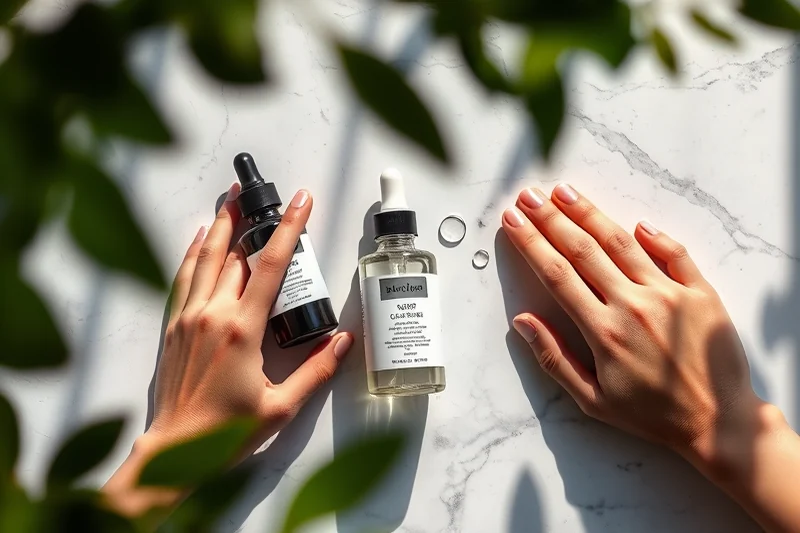
Incorporating a weekly treatment into your dry skin routine routines step by step examples can have a significant impact on the health of your skin. I've found that using a hydrating mask once a week has helped to replenish my skin’s moisture levels and improve its texture.
I've tested several hydrating masks, and I've found that those with hyaluronic acid, glycerin, and oat extract have the best results. These ingredients help to draw moisture into the skin and improve its elasticity.
I've also noticed that using a weekly exfoliant can help to remove dead skin cells and promote cell turnover. However, it's important to choose a gentle exfoliant that won't further damage the moisture barrier.
Related: Dry skin routines routines checklist
Customizing Your Routine for Your Skin Type
Not all dry skin is the same, and what works for one person may not work for another. I've found that understanding my skin type has been crucial in creating a routine that works for me. This includes factors like sensitivity, oil production, and any existing skin conditions.
For example, sensitive skin may require a more gentle approach, avoiding harsh ingredients and focusing on barrier repair. On the other hand, oily dry skin may need a balance of hydration and oil control.
I've experimented with different routines and found that adjusting my products based on my skin's needs has led to the best results. This includes using a lightweight moisturizer in the morning and a richer one in the evening.
🛡️ Sensitive Skin Routine
A gentle, low-irritation routine with barrier-repairing ingredients to soothe and protect sensitive skin.
💰 Budget-Friendly Routine
A cost-effective routine that uses affordable, high-performing products to achieve hydration and hydration.
🧼 Minimalist Routine
A streamlined routine with only a few essential products to keep your skin hydrated and healthy.
🎯 Targeted Routine
A routine that focuses on specific areas of concern, like dry patches or flakiness, with targeted treatments.
🔄 Maintenance Routine
A routine designed for long-term hydration and maintenance of a healthy, glowing complexion.
| The mistake | Why it happens | The fix |
|---|---|---|
| Using too many products at once | Overloading your skin with too many products can lead to irritation and may interfere with the effectiveness of each individual product. | Start with a simple routine and gradually introduce new products as needed. This allows your skin to adjust and prevents overuse. |
| Ignoring the importance of sun protection | Failing to use a moisturizer with SPF can lead to premature aging and further dryness, even if your skin is well-hydrated. | Make sure to use a moisturizer with SPF every morning, even on cloudy days. This is a crucial step in any dry skin routine routines step by step examples. |
| Using harsh exfoliants too frequently | Exfoliating too often can damage the skin’s moisture barrier and lead to increased dryness and sensitivity. | Limit exfoliation to once a week and use a gentle formula that won’t strip your skin of its natural oils. |
| Not adjusting your routine for the seasons | Your skin’s needs can change with the seasons, and failing to adjust your routine can lead to dryness, especially during the winter months. | Monitor your skin’s condition and adjust your products accordingly. This may include using a richer moisturizer in the winter and a lighter one in the summer. |
Related: Best dry skin routines step
Dry Skin Routines Routines Step By Step Examples
Related: Dry skin routines routines step by step on a budget
The Role of Humidity and Environmental Factors in Dry Skin Care
Humidity and environmental factors play a crucial role in maintaining healthy dry skin. Understanding how these elements affect your skin can help you tailor your routine for optimal results.
Living in a low-humidity environment can strip your skin of its natural moisture, leading to increased dryness and flakiness. I've noticed that during the winter months, when indoor heating is cranked up, my skin becomes more dehydrated despite following my usual routine. This means that incorporating a humidifier into my home has been a game-changer, helping to maintain moisture levels and reduce the need for heavier moisturizers.
Environmental factors such as wind, sun exposure, and cold temperatures can also impact the health of dry skin. I've found that using a gentle, fragrance-free sunscreen daily, even on cloudy days, helps protect my skin from UV damage that can exacerbate dryness. Additionally, wearing a scarf or face mask when outdoors in cold weather has helped shield my skin from harsh winds that strip it of moisture.
It's also important to consider the impact of water temperature on dry skin. I've learned through personal experimentation that using excessively hot water when washing my face or showering can damage the skin's natural barrier, causing further dryness. Switching to lukewarm water has significantly improved my skin's hydration levels and reduced irritation over time. These small but impactful adjustments have made a noticeable difference in the overall health of my dry skin.
Common Questions
Can I use the same skincare products every day?
How long does it take to see results from a dry skin routine?
What should I do if my skin feels tight after using a product?
Can I use oil-based products if I have dry skin?
References
- Exploring the Impact of Skin Care Routines on the Skin Microbiome ... (pmc.ncbi.nlm.nih.gov)
- Acceptance and Commitment Therapy Strategies Guide - VA.gov (mirecc.va.gov)
Cite this guide
Barrierdew (2026). Dry Skin Routines Routines Step By Step Examples. https://barrierdew.com/dry-skin-routines-routines-step-by-step-examples/
Feel free to cite or share this guide.