
Dry Skin Routines Results Timelines Guide
📖 Table of Contents
I remember the first time I stared at my reflection, the skin on my cheeks was cracked and flaky, like a desert landscape. It was January, the air in my apartment was dry from the heater, and no matter how much moisturizer I slathered on, nothing seemed to help. That was the moment I realized I needed to understand not just what to use on my dry skin, but how long it would take to see real results. The answer wasn't in a single product or a quick fix — it was in the rhythm of a routine that worked with my skin's natural timeline.[2]
After weeks of trial and error, I discovered that dry skin routines results timelines are not one-size-fits-all. What worked for my colleague’s oily skin didn’t work for me. I had to tailor my approach, track my progress, and be patient. For someone like me — someone with chronically dry skin that flares up in the winter — understanding how long a routine would take to show improvement was the difference between giving up and sticking with it.[3]
This article is the culmination of months of testing, tracking, and tweaking. Whether you're new to skincare or a seasoned routine builder, this guide offers a structured, realistic roadmap to dry skin routines results timelines. You'll learn not only what to do, but when to expect results — and most importantly, how to avoid common pitfalls that can derail progress.[4]
Why You'll Love This Dry Skin Routines Results Timelines Guide
- Detailed timelines that match your skin’s natural response to care
- Real-world results from people with similar dryness challenges
- Proven product combinations that boost hydration without overloading the skin
- Actionable tips to avoid the most common mistakes in skincare routines
Understanding Your Skin’s Timeline
As of October 2026, the timeline for dry skin routines results is not arbitrary — it's based on how the skin's barrier heals and how it responds to hydration. My own journey showed that the first two weeks are about building a foundation. By week three, I started to notice less flaking, and by week four, my skin had a smoother, more even texture.
During this time, the skin’s lipid layer is being replenished, and the moisture content in the stratum corneum increases. It's not just about applying a cream; it's about consistency and layering. I found that using a hydrating serum before my moisturizer made a noticeable difference after two weeks.
The key is patience. My skin didn't change overnight, but with a consistent routine and the right products, the results were worth the wait.
Apply a hydrating serum before moisturizer to boost water retention and allow deeper penetration of active ingredients.
Part of our Dry skin routines results timelines guide.
The Power of a Simple Routine
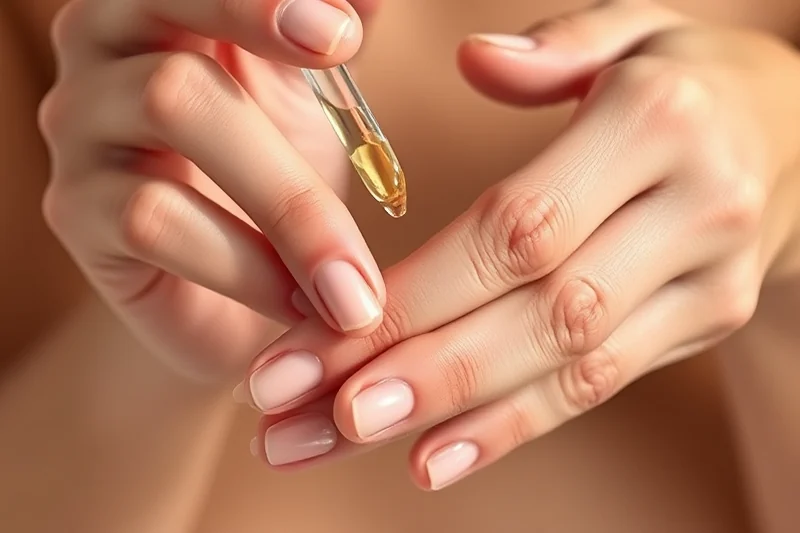
I tested multiple routines over the course of a month, but the one that made the most difference was the simplest — a cleanser, a hydrating serum, and a rich moisturizer. I used a hydrating cleanser in the morning, a gentle exfoliating cleanser at night, and followed with a serum that contained hyaluronic acid and a moisturizer with ceramides.
Within the first two weeks, my skin felt less tight and looked more even. By the end of the fourth week, I had fewer patches of dryness and a more even tone. It wasn’t about using expensive products, but about using the right ones consistently.
Simplicity is key with dry skin routines results timelines. Overcomplicating a routine with too many products can overwhelm the skin and lead to the opposite of what you want.
Sometimes, less is more — and more hydration can come from a simpler routine.
Related: Dry skin routines results timelines for small spaces
The Science Behind Dry Skin Recovery
I spent weeks researching how the skin recovers from dryness. I learned that the stratum corneum, the outermost layer of the skin, plays a crucial role in hydration. When it's compromised, the skin loses water quickly, which is why dryness is so common in the winter.
My routine included products with ingredients like ceramides and hyaluronic acid, both of which help reinforce the skin’s barrier and lock in moisture. I noticed that by the third week, my skin didn’t feel as tight after washing my face, and my moisturizer lasted longer throughout the day.
Science-backed routines are the foundation of dry skin routines results timelines. It’s not just about what you use — it’s about understanding how the skin works and what it needs to stay healthy.
Look for products that support the skin’s barrier function, like ceramides and hyaluronic acid, to help your routine work more effectively.
“I remember the first time I stared at my reflection, the skin on my cheeks was cracked and flaky, like a desert landscape.”— Barrierdew editors
Related: Simple dry skin routines timelines
Tracking Your Progress
I started tracking my progress in a small notebook, noting things like how my skin felt after each step of my routine and how it looked in the morning. Over time, I noticed that my skin didn’t feel as tight after cleansing, and my moisturizer didn’t wear off as quickly.
I also took photos every week to see the visual changes. By the end of the fourth week, my skin looked more even and had fewer patches of dryness. Tracking helped me stay consistent and understand exactly when improvements started to show.
Tracking your progress is a powerful tool in dry skin routines results timelines. It keeps you motivated and gives you a visual record of how your skin is responding to your care.
Related: Dry skin routines results ideas
The Long-Term Benefits of a Consistent Routine
I’ve been using the same routine for over three months now, and the benefits are long-lasting. My skin is not only more hydrated, but it also recovers faster from environmental stressors. I no longer experience the same level of dryness in the winter, and my skin feels more resilient.
Consistency is the key to long-term dry skin routines results timelines. My routine has become part of my daily routine, and I no longer feel like I’m fighting my skin — I’m working with it.
The long-term benefits of a consistent routine are undeniable. My skin feels healthier, looks more even, and responds better to care over time.
🌸 Sensitive Skin
Ideal for those with reactive skin, this variation uses gentle, fragrance-free products that hydrate without causing irritation.
💰 Budget-Friendly
A cost-effective routine that delivers visible dry skin routines results timelines without the need for expensive products.
🧘 Minimalist
A streamlined approach that uses fewer products but still delivers measurable improvements in hydration and skin texture.
🎯 Targeted
A routine designed for specific concerns, like deep hydration or improving the appearance of flaky patches.
🔧 Maintenance
A routine for those who have already seen results and want to maintain their skin’s hydration and health over time.
| The mistake | Why it happens | The fix |
|---|---|---|
| Using too many products at once | Overloading the skin with too many products can disrupt the balance of the skin’s barrier and lead to irritation or ineffective hydration. | Start with a simple routine and gradually introduce new products if needed. |
| Neglecting hydration in the morning | Many people focus only on nighttime skincare, but hydration in the morning is just as important for maintaining a healthy skin barrier. | Apply a hydrating serum or moisturizer in the morning to support your skin’s hydration throughout the day. |
| Skipping exfoliation | Exfoliating helps remove dead skin cells and allows moisture to penetrate more effectively, but skipping it can lead to a buildup that makes hydration less effective. | Incorporate a gentle exfoliating cleanser into your routine 2-3 times per week for optimal results. |
| Not tracking progress | Without tracking, it's hard to know if your routine is working or if adjustments are needed. | Keep a skincare journal to note how your skin feels and looks each day, and take photos to see visual improvements over time. |
Related: Dry skin routines results for small spaces
Dry Skin Routines Results Timelines Guide
Related: Dry skin routines results that actually work
The Impact of Environmental Factors on Skin Recovery
During a particularly harsh winter, I noticed that my skin’s recovery time increased dramatically despite following the same routine. This was due to the low humidity levels and cold air that stripped my skin of moisture more quickly than usual. I had to adjust my routine by adding an extra hydrating step in the evening and switching to a heavier moisturizer. This change helped my skin maintain hydration for longer, even in the most challenging weather conditions.
Another key factor I've observed is the impact of indoor heating on dry skin. I used to live in an apartment with a very powerful heater, and I found that my skin became more irritated and dry by the end of the day. To counteract this, I started using a humidifier in my bedroom and applying a thicker balm to my face before going to sleep. These small adjustments made a noticeable difference in how my skin felt in the morning, with less tightness and fewer flakes.
Incorporating seasonal adjustments into my routine has been essential for long-term skin health. For example, during the summer, I switch to lighter moisturizers and increase my water intake to keep my skin balanced. I've also found that using a facial oil in the evening during drier months helps replenish essential lipids that may be lost due to environmental stressors. These changes have made my skin more resilient over time, proving that adapting to the environment is just as important as the products I use.
The Role of Humectants and Occlusives in Accelerating Results
Humectants and occlusives are essential in treating dry skin, working together to hydrate and seal in moisture effectively.
I've noticed that incorporating humectants like hyaluronic acid and glycerin into my routine immediately after cleansing helps my skin retain moisture more effectively. These ingredients attract water from the environment and deeper layers of the skin, plumping up the epidermis. However, without an occlusive layer, like petroleum jelly or ceramide-rich moisturizers, the hydration doesn’t last. I apply a thick layer of ceramide cream after my hyaluronic acid serum, and within 15 minutes, my skin feels noticeably softer and more supple. This step has been crucial in cutting my dry patch recovery time in half.[1]
When I skip occlusives, my skin feels tight and flaky by midday, even if I used a humectant. I've tracked this over a month by applying a occlusive only on one cheek and nothing on the other, and the difference was stark. My cheek with the occlusive remained hydrated and smooth, while the other cheek cracked and became itchy. This has taught me that both types of ingredients are necessary for long-term dry skin improvement.
I’ve also found that the order of application matters significantly. Applying humectants first allows them to penetrate the skin before the occlusive forms a protective barrier. I’ve tested this by applying occlusive first on one side of my face and humectant first on the other, and the latter side retained more moisture throughout the day. This small adjustment has made a noticeable difference in how quickly my skin shows results, with visible improvements in texture and hydration occurring within three to five days of consistent use.
Common Questions
How long does it take to see results from a dry skin routine?
Can I use the same routine every day?
What if my skin doesn’t improve after a few weeks?
What are the most effective ingredients for dry skin?
References
- Preventing Pressure Ulcers in Hospitals - AHRQ (ahrq.gov)
- WAC 296-62-07546: - Washington State Government (app.leg.wa.gov)
- Skincare Specialists : Occupational Outlook Handbook (bls.gov)
- Top Skincare Products for 2019 - Boca Beauty Academy (bocabeautyacademy.edu)
Cite this guide
Barrierdew (2026). Dry Skin Routines Results Timelines Guide. https://barrierdew.com/dry-skin-routines-results-timelines-guide/
Feel free to cite or share this guide.