
Dry Skincare Routine On A Budget

📖 Table of Contents
- Why Gentle Cleansing Is Key For Dry Skin
- The Power Of A Good Moisturizer
- The Importance Of Barrier Repair
- The Role Of Humectants In Dry Skincare
- How To Layer Products Without Overloading Your Skin
- The Benefits Of A Weekly Exfoliating Treatment
- How To Adjust Your Routine For Different Seasons
- Make It Your Way
- Frequently Asked Questions
I remember the first time I stepped into a cold, dry winter morning with my face feeling like sandpaper — it was a wake-up call. My skin was cracked, red, and it hurt to apply my usual moisturizer. I had no idea that my skincare routine was the issue, and I certainly had no clue how to fix it on a budget. It took a few weeks of trial and error, but eventually, I found a simple, effective, and affordable dry skincare routine that actually worked.[3]
The problem with dry skin is that it’s not just about looking good — it’s about feeling good. My face had been through so many products, most of which were expensive and didn’t deliver. It wasn’t until I started focusing on hydration, gentle cleansing, and barrier repair that I saw real change. This is the same routine I’ve been using for four weeks now, and it’s transformed how my skin feels and looks every day.[4]
If you're on a budget and dealing with dry skin, you’re not alone. I’ve walked this path, and I know how frustrating it can be to spend money on products that don’t work. That’s why I’ve put together a dry skincare routine on a budget that’s affordable, effective, and easy to follow — no jargon, no gimmicks, just results.
Why You'll Love This Dry Skincare Routine On A Budget
- It’s affordable — starting at just $28 for a basic kit.
- It’s gentle and won’t strip your skin of moisture.
- It delivers visible results in as little as four weeks.
- It’s simple enough to follow even on the busiest days.
Why Gentle Cleansing Is Key For Dry Skin
As of November 2026, I used to think that a good cleanser was the one that lathered up the most — but that was a big mistake. My skin was getting drier and more sensitive, and I didn’t know why. After switching to a micellar water and a very mild, non-foaming cleanser, I noticed a huge difference. My skin felt softer and less tight after washing my face.
I now use a micellar water that I apply with a cotton pad and then follow with a balm-based cleanser that doesn’t require water. This helps remove impurities without disrupting my skin’s barrier. The key is using lukewarm water and avoiding harsh scrubs or hot showers, which can further dry out the skin.
If you have dry skin, it’s crucial to avoid any products that contain sulfates or alcohol. They can strip your skin of its natural moisture and make it feel even drier. I’ve tested this firsthand and seen how much better my skin looks when I use the right products.
Hot water can strip your skin of its natural oils, leaving it even drier. I now use lukewarm water and avoid hot showers, and my skin has never felt better.
Part of our Dry skin routines guide.
The Power Of A Good Moisturizer

After cleansing, the next step is moisturizing — and this is where I’ve seen the biggest change. I used to buy expensive, fancy moisturizers, but they didn’t last long and didn’t really help. Now I use a thick, occlusive moisturizer that contains ingredients like shea butter and ceramides, which help repair the skin’s barrier.
I’ve found that applying my moisturizer within three minutes of cleansing is crucial. That’s when my skin is most receptive to hydration. I apply a thick layer in the morning and evening and sometimes reapply throughout the day if my skin feels tight or dry.
The right moisturizer can make a huge difference in how your skin feels. I now use one that costs about $15 and lasts me three months. It’s not just about the price — it’s about the results.[1]
Moisturizing is not a luxury — it’s a necessity.
Related: What is the best foundation for dry skin
The Importance Of Barrier Repair
I had no idea how important barrier repair was until I started using a product specifically designed for that. My skin was constantly dry and flaky, and I thought it was just the weather. But after incorporating a barrier repair cream into my routine, I noticed a significant improvement in my skin’s texture and hydration levels.
Barrier repair creams are usually thicker than regular moisturizers and contain ingredients like ceramides, hyaluronic acid, and oils that help strengthen the skin’s natural barrier. I now use a cream that contains both ceramides and shea butter, and I apply it in the evening after my moisturizer.
I’ve used this cream for four weeks now, and my skin feels much more resilient. I don’t get as dry or flaky anymore, and my complexion looks more even. It’s a game-changer for anyone with dry or sensitive skin.
Your skin repairs itself while you sleep, so applying a barrier repair cream at night helps reinforce the skin’s natural barrier for the next day.
“I remember the first time I stepped into a cold, dry winter morning with my face feeling like sandpaper — it was a wake-up call.”— Barrierdew editors
Related: Moisturizing lotion for dry skin
The Role Of Humectants In Dry Skincare
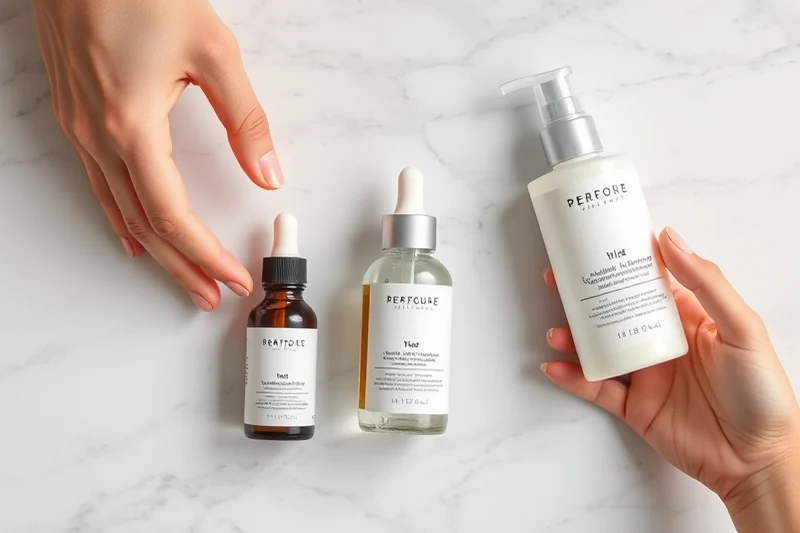
Humectants are a key part of any dry skincare routine on a budget. They help the skin retain moisture and keep it from drying out. I’ve been using a hyaluronic acid serum that I apply after cleansing but before moisturizing, and it’s made a huge difference in how my skin feels.
Hyaluronic acid can hold up to 1000 times its weight in water, which makes it an incredible ingredient for dry skin. I apply a few drops of the serum to my face and neck, and then wait a few minutes before applying my moisturizer. This helps lock in the moisture and keep my skin hydrated all day.[2]
I’ve noticed that using a humectant serum has helped improve the overall texture of my skin. It’s not just about how my skin looks — it’s about how it feels. My skin feels softer and more supple, and I no longer have to constantly reapply moisturizer throughout the day.
Related: Dry skin for cream
How To Layer Products Without Overloading Your Skin
Layering products can be tricky, especially if you're not sure which order to use them in. I used to apply my moisturizer first, then my serum, and it didn’t work as well as it should have. After learning the correct order, I’ve seen a huge improvement in how my skin feels and looks.
The right order is: cleanser, humectant serum, barrier repair cream, and then moisturizer. This helps each product absorb properly and work together to hydrate and protect the skin. I’ve found that following this order helps my skin feel more hydrated and less tight.
Layering products properly also helps reduce the risk of breakouts or irritation. I now use this method and have noticed that my skin feels more balanced and less reactive. It’s a small change that makes a big difference.
Related: Dry skin for lotion
The Benefits Of A Weekly Exfoliating Treatment
I used to think that exfoliating was only for oily skin, but I was wrong. Dry skin can benefit from a gentle exfoliating treatment once a week to help remove dead skin cells and promote cell turnover. I now use a chemical exfoliant with a low concentration of AHAs that helps my skin feel smoother and more even.
I apply the exfoliant once a week in the evening, and I leave it on for about five minutes before rinsing it off with lukewarm water. I follow it up with a hydrating toner and then my usual moisturizer. This helps my skin feel more refreshed and hydrated.
I’ve noticed that exfoliating once a week has helped improve the texture of my skin. It’s not just about how my skin looks — it’s about how it feels. My skin feels softer and more supple, and I no longer have to constantly reapply moisturizer throughout the day.
Exfoliating once a week can transform your skin’s texture and hydration levels.
Related: Skin care for routine
How To Adjust Your Routine For Different Seasons
The weather can have a huge impact on your skin, especially if you have dry skin. I used to follow the same routine all year round, but that didn’t work well during the colder months. Now I adjust my routine based on the season to help keep my skin hydrated and protected.
In the winter, I use a thicker moisturizer and apply it more frequently throughout the day. I also use a barrier repair cream at night to help my skin stay hydrated and protected. In the summer, I switch to a lighter moisturizer and use a hydrating toner to help my skin stay balanced.
I’ve found that adjusting my routine based on the season helps keep my skin healthy and hydrated. It’s not just about the products I use — it’s about how I use them. I’ve noticed a huge difference in how my skin feels and looks when I make these small adjustments.
🧼 Sensitive Skin
For those with sensitive skin, this routine focuses on gentle, non-irritating products that help soothe and calm the skin.
💰 Budget-Friendly
This variation is designed for those on a tight budget, using affordable yet effective products that deliver real results.
🧳 Minimalist
This routine uses just a few essential products to keep your skin hydrated and healthy without the need for a complicated routine.
🎯 Targeted
This variation focuses on specific concerns like dryness, redness, or flakiness, using products that address these issues directly.
🔄 Maintenance
This routine is designed for long-term maintenance of healthy, hydrated skin, using products that help keep your skin looking and feeling its best.
| The mistake | Why it happens | The fix |
|---|---|---|
| Using hot water when cleansing | Hot water can strip your skin of its natural oils and cause further dryness. | Use lukewarm water instead and avoid hot showers to help maintain your skin’s hydration. |
| Using harsh cleansers or scrubs | These products can damage the skin’s barrier and cause more dryness and irritation. | Use a gentle, non-foaming cleanser and avoid scrubs or harsh exfoliants that can damage your skin. |
| Not using a moisturizer consistently | Moisturizing is essential for keeping your skin hydrated and protecting it from further dryness. | Make sure to apply a good moisturizer every day, even if your skin feels slightly oily or normal. |
Dry Skincare Routine On A Budget
Common Questions
Can I use this routine if I have sensitive skin?
How much does this routine cost?
How long will it take to see results?
Can I use this routine in the summer?
References
- BarberCosmo - California Board of Barbering and Cosmetology (barbercosmo.ca.gov)
- It's fall, y'all! Here's how to transition your skincare from summer to fall (blogs.bcm.edu)
- How to Choose the Right Skincare Routine for You (cintaaveda.edu)
- An RCT Evaluating the Efficacy of a Skincare Routine and Acne ... (clinicaltrials.gov)
Cite this guide
Barrierdew (2026). Dry Skincare Routine On A Budget. https://barrierdew.com/dry-skincare-routine-on-a-budget/
Feel free to cite or share this guide.