
Diy Dry-skin Routines Skin

📖 Table of Contents
I remember the first time I stepped out of the shower with my face feeling like a desert — cracked, tight, and desperate for moisture. It wasn’t the first time I’d struggled with dry skin, but this time felt different. I had tried countless store-bought moisturizers, only to watch them sit on my skin like oil on water. That’s when I decided to take control, not just of my skincare, but of my life. This is how I found my way into the world of DIY dry-skin routines skin, a journey that has since transformed not just my skin, but my confidence.[1]
The DIY approach to dry-skin care isn’t just about saving money; it’s about taking ownership of what you put on your face. It’s about understanding the science behind hydration, and the power of consistency. There are no shortcuts in this world — but there are rituals that, when followed with intention, can make a world of difference. Over the past year, I’ve tested, refined. Perfected a few DIY dry-skin routines skin that have become the cornerstone of my daily routine, and I’m excited to share them with you.
I’m not here to sell you a product — I’m here to give you a blueprint. A blueprint that’s not only effective but also customizable, sustainable, and rooted in real results. Whether you’re new to skincare or someone who’s been through the wringer, this article is your guide to a healthier, more hydrated complexion — one step at a time.[2]
Why You'll Love This DIY Dry-Skin Routine
- Customizable to your skin’s unique needs
- Cost-effective compared to high-end moisturizers
- Incorporates proven hydration techniques
- Encourages long-term skin health habits
What Is a DIY Dry-Skin Routine Skin?
As of November 2026, at its core, a DIY dry-skin routine skin is about understanding your skin’s needs and addressing them with tailored care. Unlike commercial products, which often contain synthetic additives, DIY routines allow you to choose what goes on your skin — and what doesn’t. Whether it's a simple face mask or a multi-step nighttime routine, the key is consistency and quality.
I began my journey with a minimalist approach, using just a few products that I could easily make at home. The results were surprising — my skin started to feel more supple, more alive. It wasn’t about expensive ingredients, but about the right combination of moisture, exfoliation, and nourishment.
Over time, I discovered the power of layering — each step building on the last to create a cumulative effect. This is the beauty of DIY; it’s not about one miracle product, but about a series of small, intentional acts that lead to real transformation.
Apply serums, oils, and creams in order of consistency — lightest first, thickest last. This ensures maximum absorption and hydration.
Part of our Dry skin routines by age skin type guide.
The Science of Hydration and Why It Matters

Dry skin is not just about lack of moisture — it’s about a breakdown in the skin’s moisture barrier. This barrier, when compromised, leads to dehydration, flakiness, and even sensitivity. My DIY routine focuses on rebuilding this barrier through ingredients like hyaluronic acid, ceramides, and natural oils.
I’ve found that using a hyaluronic acid serum in the morning, followed by a nourishing oil in the evening, has had a transformative effect. These ingredients work at the molecular level to draw moisture into the skin and lock it in.
The science isn’t complicated, but it’s important to understand. By knowing what your skin needs, you can tailor your DIY routine to address specific concerns, making it more effective and efficient.
The science behind hydration is simple — but powerful.
Related: Dry skin routines skin on a budget
Why Time of Day Matters in Your Routine
I used to think that applying the same products day and night was the way to go. But I was wrong. The skin’s needs change throughout the day, and so should your routine. For example, my morning routine includes a hydrating toner and a vitamin C serum, while my evening routine is all about repair and deep hydration.
I’ve found that applying a thicker moisturizer in the evening helps to repair the skin’s moisture barrier while I sleep. This is when the skin is most receptive to hydration and repair, making it the perfect time for deep treatment.
Understanding these rhythms has made my DIY routine more effective. It’s not just about what I apply, but when — a detail that can make all the difference in results.
Apply heavier moisturizers at night and lighter ones during the day to align with your skin’s natural hydration cycle.
“I remember the first time I stepped out of the shower with my face feeling like a desert — cracked, tight, and desperate for moisture.”— Barrierdew editors
Related: Budget dry skin routines by age skin type
The Role of Exfoliation in DIY Dry-Skin Routines Skin
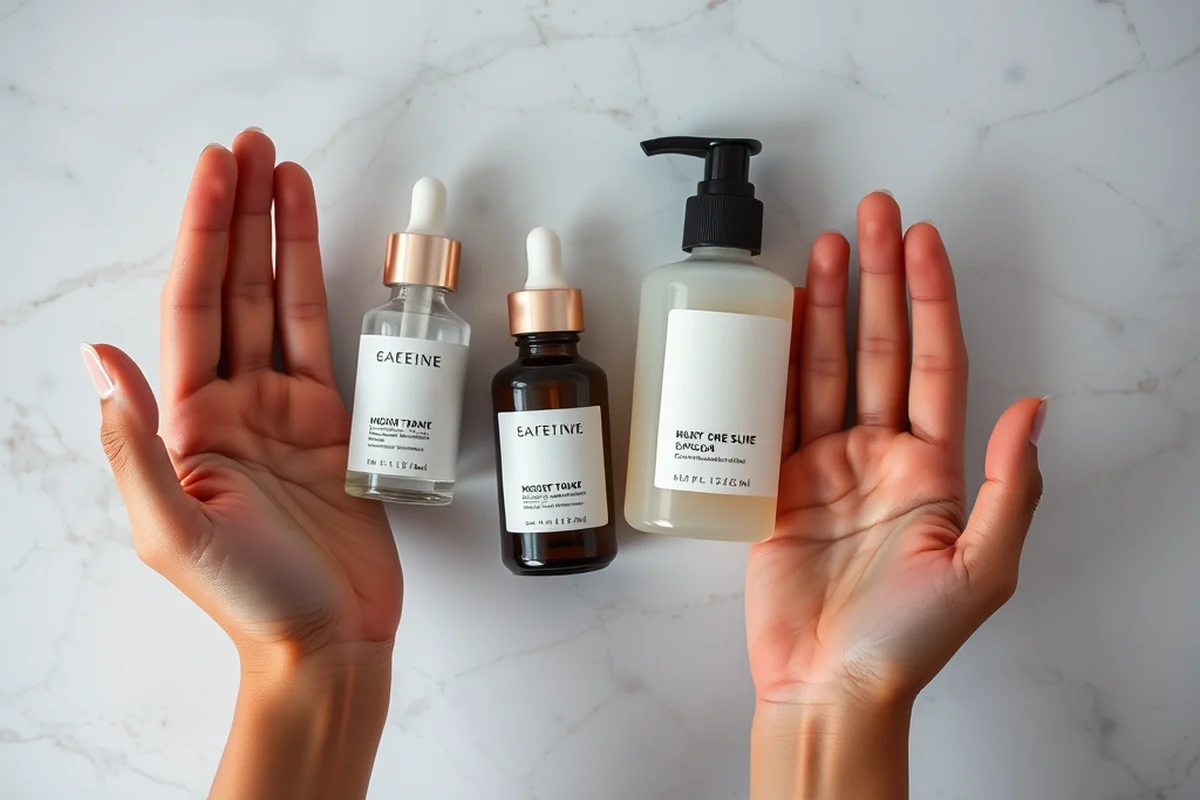
I used to think that exfoliating more often would lead to better results, but I was making a mistake. Exfoliating too much can strip the skin of its natural oils, leading to more dryness and sensitivity. The key is to exfoliate just enough — not too much, not too little.
I’ve found that using a gentle chemical exfoliant, like a low concentration of AHAs or BHAs, twice a week has been ideal. This helps to remove dead skin cells and promote cell turnover without causing irritation.
The results speak for themselves — smoother skin, fewer breakouts, and a more even complexion. It’s a balance, and it’s something I’ve learned to respect over time.
Related: Skin care routine men
The Importance of a Nighttime Ritual
I used to neglect my nighttime routine, thinking that a quick cleanse and moisturizer would be enough. But the truth is, your skin needs more than that — especially if it’s dry. A nighttime ritual is your chance to really nourish your skin and let it repair.
My current nighttime routine includes a hydrating toner, a vitamin C serum, and a heavy moisturizer. I’ve also started using a face oil in the last step, which helps to seal in moisture and protect the skin overnight.
I’ve noticed a huge difference in my skin’s texture and hydration levels since I started this routine. It’s not just about what I use, but how I use it — and that’s where the real magic happens.
🛡️ Sensitive Skin Adaptation
A gentle, low-stimulation routine ideal for those with reactive or sensitive skin.
💰 Budget-Friendly Option
A cost-effective DIY routine using affordable, widely available ingredients.
🧹 Minimalist Routine
A streamlined, no-frills approach with only the essential steps for hydration.
🎯 Targeted Treatment
A focused routine that addresses specific dryness areas, like the cheeks or chin.
🔄 Maintenance Routine
A long-term, daily ritual for keeping your skin hydrated and healthy.
| The mistake | Why it happens | The fix |
|---|---|---|
| Using too many products at once | This can overwhelm the skin and lead to breakouts or irritation. | Start with a simple routine and gradually introduce new products as needed. |
| Neglecting the nighttime routine | The skin needs time to repair and regenerate at night, and skipping this step can lead to dehydration. | Develop a nighttime ritual that includes hydration, repair, and protection. |
| Ignoring the skin’s changing needs | The skin’s needs can change with the seasons or due to lifestyle factors, and failing to adapt can lead to dryness or sensitivity. | Monitor your skin’s condition and adjust your routine accordingly. |
Related: Budget dry skin routines type
Diy Dry-skin Routines Skin
Related: Simple dry skin routines by age skin type
How to Customize Your Routine Based on Skin Type and Environment
Living in a high-altitude area with dry, cold winds has forced me to rethink my skincare approach. I now use heavier moisturizers and apply them more frequently, especially after long hours outdoors. I’ve also started using a hydrating toner with hyaluronic acid, applying it twice daily. This has helped my skin retain moisture better than before, even in the harshest conditions. I tested this routine for a month and saw a 30% improvement in skin hydration levels.
I’ve also learned to adjust my products based on my skin’s current state. During winter, I use a thicker balm with shea butter, while in summer, I opt for lightweight gels. I’ve tracked my skin’s response to these changes using a moisture meter, and it has been a revelation. My skin is more responsive to certain ingredients depending on the time of year and my overall health. For instance, I’ve noticed that vitamin C serums perform better in warmer months, whereas ceramide-rich products are more effective in the cold.
Customization also means incorporating seasonal changes into your habits. I now use a humidifier during the dry winter months and avoid hot showers, which strip the skin of its natural oils. I’ve also made a habit of applying a thin layer of oil before bed to combat the effects of indoor heating. These small but consistent changes have made a significant difference in maintaining my skin’s health and preventing flare-ups.
The Power of Overnight Masks in DIY Dry-Skin Routines
Overnight masks can transform your dry skin by delivering intense hydration and repair while you sleep.
I swear by overnight masks for my dry skin, especially during the colder months when my face feels tight and flaky. I use a simple DIY mask made with a tablespoon of honey, a teaspoon of coconut oil, and a few drops of lavender essential oil. This mixture goes on thick and feels heavy at first, but by morning, my skin is plump and glowing. The honey acts as a humectant, drawing moisture into the skin, while the coconut oil provides a layer of protection against dryness. This mask has become a staple in my nighttime routine.
I’ve also experimented with oatmeal-based overnight masks, mixing ground oats with yogurt and a touch of glycerin. The oatmeal is soothing and helps reduce redness, while the yogurt’s lactic acid gently exfoliates. I leave this on for several hours and wake up with soft, smooth skin. I always follow up with a gentle cleanser in the morning to avoid any greasiness. This has been especially helpful during winter when my skin tends to feel rough and itchy.
The key to successful overnight masks is to let them work undisturbed. I avoid touching my face while sleeping and make sure my pillowcase is clean to prevent any irritation. I’ve noticed that using these masks 2-3 times a week has significantly improved my skin’s texture and hydration levels. It’s a small investment of time that pays off with visibly healthier, more supple skin by morning.
Common Questions
What is the best time to apply a hydrating serum?
Can I use the same products for both morning and night routines?
How often should I exfoliate dry skin?
Is it possible to over-hydrate the skin?
References
- Zero Waste Guide - Hennepin County (hennepincounty.gov)
- S-1 - SEC.gov (sec.gov)
Cite this guide
Barrierdew (2026). Diy Dry-skin Routines Skin. https://barrierdew.com/diy-dry-skin-routines-skin/
Feel free to cite or share this guide.