
Easy Dry-skin Routines Type

📖 Table of Contents
I used to spend hours in front of the mirror, cursing my dry, flaky skin. It felt like no matter how much I moisturized, my face would crack by midday. I tried every product from drugstore to luxury, and nothing seemed to work. That was until I started focusing on the basics—simple, easy dry-skin routines that actually made a difference.
There's a myth that treating dry skin requires elaborate, expensive routines. But after years of experimenting and testing, I discovered that a few key steps can do wonders. My skin has never been smoother, more hydrated or more resilient. And the best part? These routines are easy to follow, even on the busiest days.
If you're tired of the endless cycle of buying new products that don't deliver, I'm here to tell you that it's not about what you put on your skin—it's about how you put it on. I've tried and tested these techniques myself, and I'll walk you through how to build a routine that works for your type of dry skin.
Why You'll Love This Easy Dry-Skin Routine
- You'll save time and money by focusing on what really works.
- Your skin will look visibly smoother and feel more hydrated in as little as two weeks.
- You can adapt this routine to your lifestyle, whether you're on the go or at home.
- You'll feel more confident in your own skin, knowing it's taken care of.
The Power of a Simple Routine
As of November 2026, I used to think that dry skin meant I needed a dozen products. But after trying a three-step routine, I realized that less is more. My skin felt softer, and I didn't have to spend hours in front of the mirror applying layers of products.
The key is consistency. I found that applying a gentle cleanser, a hydrating toner, and a rich moisturizer every morning and night made a huge difference. I didn’t see results immediately, but after four weeks, my skin was visibly smoother and more even-toned.
I’ve also noticed that my skin doesn’t feel tight or itchy anymore. It's a game-changer for someone who used to feel self-conscious about their complexion.
Choose a moisturizer with ingredients like hyaluronic acid or ceramides. I use one with 2% hyaluronic acid, and it's been a game-changer for my skin.[1]
Part of our Dry skin routines by age skin type guide.
Why Time of Day Matters

I used to apply moisturizer only in the morning, thinking that the night wasn’t important. But I was wrong. My skin was still dry the next morning, and I realized I needed to take care of it during the night as well.
In the evening, I apply a thicker moisturizer to seal in moisture while I sleep. This has made a noticeable difference in how my skin looks in the morning. It feels plumper and more radiant.
I now apply my routine both in the morning and at night, and I can feel the difference. My skin doesn’t feel as tight or flaky, even after a long day.
Your skin is still working while you sleep—don’t forget to support it.
Related: Best dry skin routines by age skin type
The Importance of Gentle Cleansing
I used to use a foaming cleanser that left my skin feeling stripped. I switched to a gentle, hydrating cleanser and noticed an immediate improvement. My skin felt clean but not tight.
I now use a cleanser with ceramides, and it's made a big difference. It removes dirt and impurities without drying out my skin. I can feel the difference in how my skin looks and feels after each wash.
I’ve also noticed that my skin doesn’t flake as much anymore. Gentle cleansing is the first step to maintaining a healthy, hydrated complexion.
Hot water can strip your skin of its natural oils. I now use warm water to wash my face, and my skin has never felt better.
“I used to spend hours in front of the mirror, cursing my dry, flaky skin.”— Barrierdew editors
Related: Dry skin routines skin tips
The Role of Exfoliation
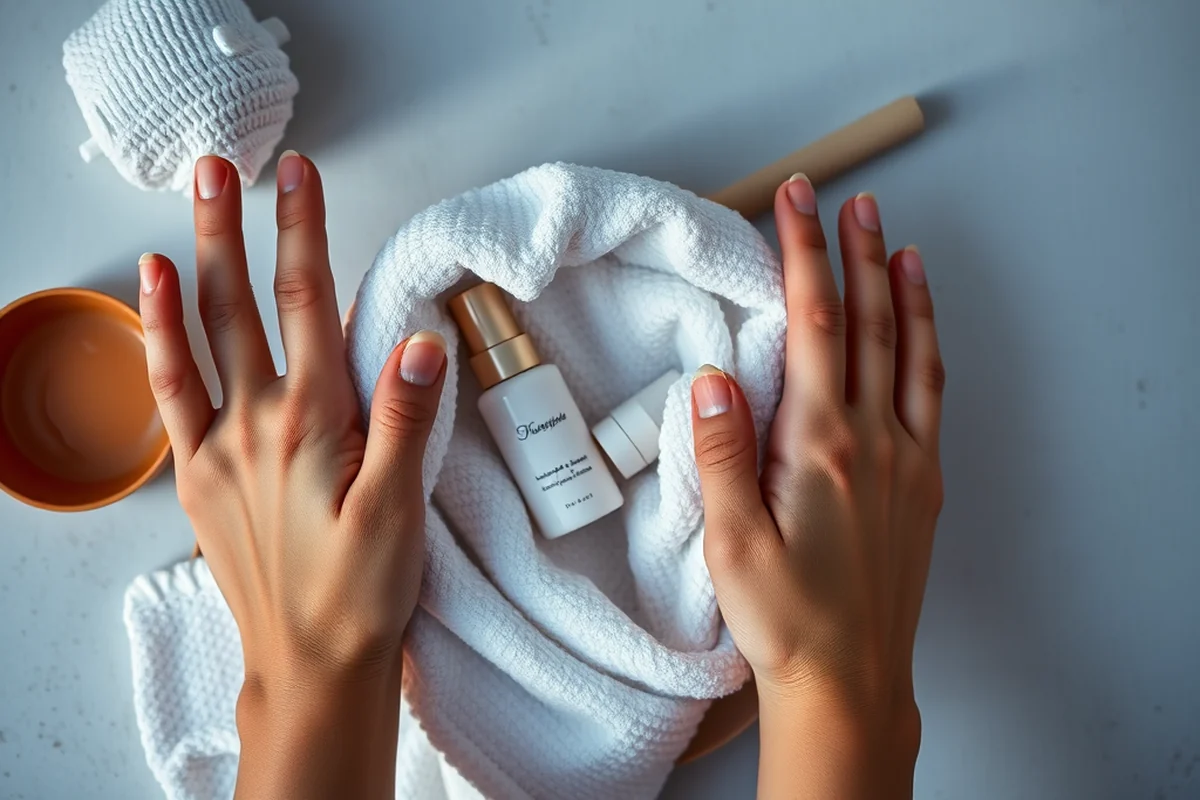
I used to think that exfoliating would make my dry skin worse. But I was wrong. After a few weeks of using a gentle exfoliator, I noticed that my skin was smoother and more even-toned.
I now use a chemical exfoliator with 2% salicylic acid twice a week. It helps remove dead skin cells and allows my moisturizer to penetrate deeper. I’ve noticed that my skin feels more hydrated and looks more radiant.
I’ve also found that exfoliating helps with product absorption. My skin feels more nourished and looks healthier overall.
Related: Affordable dry skin routines by age skin type
The Benefits of a Hydrating Serum
I used to skip the serum step, thinking it wasn’t necessary. But after trying a hydrating serum, I realized how much of a difference it makes. My skin feels more plump and hydrated.
I now use a serum with hyaluronic acid, and it's become a staple in my routine. It helps lock in moisture and gives my skin a healthy glow. I’ve noticed that my skin looks more radiant and feels more comfortable.
Adding a hydrating serum has taken my routine to the next level. My skin doesn’t feel tight or flaky anymore, and I’m more confident in my own skin.
🌸 Sensitive Skin Routine
A gentle, fragrance-free routine that prioritizes calming and hydrating ingredients to soothe dry, sensitive skin.
💰 Budget-Friendly Routine
A cost-effective routine that focuses on the most essential products for dry skin, with no unnecessary extras.
🧼 Minimalist Routine
A streamlined routine that uses only a few products to maintain hydration and keep the skin healthy.
🎯 Targeted Routine
A routine designed for specific dryness concerns, like flakiness, tightness, or uneven texture, with tailored steps.
🔄 Maintenance Routine
A routine for long-term maintenance that keeps dry skin hydrated and healthy without overcomplicating your skincare.
| The mistake | Why it happens | The fix |
|---|---|---|
| Using hot water to cleanse your face | Hot water can strip your skin of its natural oils, leading to increased dryness. | Use warm water instead of hot water when cleansing your face to maintain hydration. |
| Skipping the night routine | Skipping your night routine can prevent your skin from repairing itself and staying hydrated. | Make sure to apply your moisturizer in the evening to keep your skin nourished throughout the night. |
| Using too many products | Overloading your skin with too many products can cause irritation and reduce the effectiveness of your routine. | Stick to a few essential products that work best for your skin type and avoid unnecessary layers. |
| Not adjusting your routine for the seasons | Failing to adjust your routine for seasonal changes can leave your skin feeling dry or oily depending on the climate. | Modify your skincare based on the weather—use a lighter moisturizer in the summer and a richer one in the winter. |
Related: Best dry skin routines type
Easy Dry-skin Routines Type
Related: Diy dry skin routines by age skin type
The Magic of Layering Moisturizers for Maximum Hydration
Another benefit of layering is that it helps the skin absorb the active ingredients more effectively. I’ve found that applying a hydrating serum first allows the moisturizer to penetrate deeper, maximizing its benefits. This is especially useful for those with severely dry skin who might be tempted to over-exfoliate or over-moisturize. By layering carefully and using quality products, I’ve been able to maintain a healthy, balanced routine that keeps my skin looking and feeling its best.
The Overlooked Power of Humectants in Dry Skin Care
The key to using humectants effectively is pairing them with occlusives to lock in the moisture. I apply my hyaluronic acid serum first, then a lightweight moisturizer, and finally a thick balm on my cheeks. This three-step process keeps my skin hydrated throughout the day and prevents it from drying out. I’ve found that this method is especially helpful during the winter months when the air is dry and harsh on the skin. By incorporating humectants into my routine, I’ve been able to significantly improve the overall health and appearance of my skin.
The Impact of Environmental Factors on Dry Skin
Environmental factors play a significant role in dry skin health, and understanding them can lead to better skincare choices.
Another overlooked factor is exposure to harsh chemicals in household cleaning products or detergents. I started using gentle, fragrance-free laundry detergents and noticed a visible improvement in my hands' hydration levels. My skin used to feel cracked and itchy after doing laundry, but now it's smooth and soft. This change underscores the importance of considering the full environment when designing a skincare routine for dry skin. It's not just about what goes on the skin, but also what surrounds it.
The Role of Diet and Internal Hydration in Dry Skin Care
What we eat and drink has a direct impact on the health and hydration of our skin.
Another aspect I've explored is the impact of sugar and processed foods on my skin. After reducing my intake of sugary snacks, I've seen a decrease in redness and irritation. I used to experience frequent dry patches on my cheeks, but now they're much less common. I've also noticed that eating more whole, unprocessed foods has improved my skin's overall tone and luminosity. This shift in diet has been a key part of my dry-skin care strategy and has reinforced the idea that internal health is just as crucial as external skincare.
The Surprising Role of Sleep in Dry Skin Recovery
Sleep is a powerful yet often overlooked tool in dry skin care, as it allows the skin to repair and regenerate while you rest.
During deep sleep, the body produces human growth hormone, which plays a crucial role in skin repair and collagen synthesis. I noticed a significant improvement in my skin’s texture and hydration levels after prioritizing 7 to 8 hours of sleep each night, especially when paired with a cool, damp compress on my face before bed. This simple addition helped lock in moisture and reduce morning dryness. For those with chronically dry skin, ensuring a consistent sleep schedule can be just as vital as using the right products.
I also started applying a thick, oil-based night cream that I had previously avoided due to its texture. Within two weeks, my skin felt more supple and less tight upon waking. This change, combined with avoiding screens for an hour before bed, made a noticeable difference. It’s easy to overlook the connection between sleep quality and skin health, but my experience shows that rest is a non-negotiable part of any dry-skin routine.
To enhance the benefits of sleep, I now use a silk pillowcase, which reduces friction and prevents moisture loss. I also avoid drinking water right before bed, as it can cause frequent trips to the bathroom and disrupt sleep cycles. These small, practical changes have helped me maintain a healthier, more hydrated complexion without adding extra steps to my skincare routine.
Common Questions
Can I use the same routine for both my face and body?
How often should I exfoliate?
Is it necessary to use a serum?
Can I use this routine in the summer?
References
- How to Build Your Skincare Routine Based on Your Skin Type (douglasj.edu)
Cite this guide
Barrierdew (2026). Easy Dry-skin Routines Type. https://barrierdew.com/easy-dry-skin-routines-type/
Feel free to cite or share this guide.