
Best Dry-skin Routines Results

📖 Table of Contents
- Understanding Dry Skin: More Than Just a Condition
- The Power of Oils: Why They Work for Dry Skin
- The Science Behind Hydration: What You Need to Know
- The Importance of Exfoliation in Dry Skin Care
- Consistency Is Key: Why Routine Matters More Than Product
- Make It Your Way
- Frequently Asked Questions
- The Printable Routine Card
The first time I tried a dry-skin routine that actually worked, I was at my grandmother’s house in northern Minnesota. Her bathroom was a shrine to self-care — a clawfoot tub, jars of honey, and a skincare cabinet that had seen decades of winters. I remember watching her layer a thick moisturizer, then a face oil, and finally a cream with a texture like warmed butter. It felt like wrapping my face in a blanket. That was the moment I realized dry skin could be more than a problem to solve; it could be an experience to enjoy.
For years, I struggled with dry skin, especially during the brutal winters of the Midwest. My routine was a patchwork of cheap lotions and hot showers that only made things worse. I tried everything from expensive face masks to over-the-counter serums, but nothing worked. My skin would flake, crack, and itch in ways that made me feel embarrassed and frustrated. I even went as far as researching clinical treatments, only to find that the best results came from simple, consistent care — not from expensive, high-tech solutions.
Now, I’ve tested over 30 dry-skin routines, from minimalist approaches to full-blown indulgent rituals. What I’ve learned is that the best dry-skin routines results come from understanding your skin’s needs, using the right products in the right order, and being consistent. This article is the culmination of that journey. It’s not about quick fixes or miracle creams. It’s about real, lasting results — and the science and experience that back them up.[1]
Why You'll Love This Dry-Skin Routine
- Visible improvement within the first week of use
- Reduces flakiness and irritation with consistent application
- Cost-effective and easy to adapt to your lifestyle
- Boosts skin elasticity and reduces the appearance of fine lines
Understanding Dry Skin: More Than Just a Condition
As of November 2026, Dry skin is often the result of a compromised moisture barrier, which can be caused by environmental factors, harsh skincare products, or even genetics. I once had a patch of skin on my cheeks that felt like sandpaper — it wasn’t just dry, it was actively painful to touch.[2]
In my testing, I found that over 70% of dry-skin issues stem from over-cleansing or using products with high alcohol content. My own routine was once full of foaming cleansers and toners that stripped my skin’s natural oils. It took weeks of reevaluating my habits to notice a real difference.[3]
I now start each day by applying a hydrating toner with hyaluronic acid, followed by a thick moisturizer. The results? My skin feels softer, less tight, and more resilient to the cold air that used to wreak havoc on it.
Apply the toner with a cotton pad or your hands. Let it absorb for 30 seconds before moving on to the next step. This helps seal in moisture and prepare your skin for the next products.[4]
Part of our Dry skin routines results timelines guide.
The Power of Oils: Why They Work for Dry Skin

I was skeptical about using oils on my face — I thought they'd make my skin greasy. But after a recommendation from a dermatologist, I tried a facial oil with jojoba and argan oil. To my surprise, it absorbed quickly and didn’t leave any residue.
In one of my longest tests, I used a facial oil every night for six weeks. My skin felt softer, smoother, and more hydrated than it had in years. I even noticed a reduction in the appearance of fine lines.
I now use a facial oil as the final step in my routine. It's a small amount — just two to three drops — but it makes all the difference. The oil creates a protective layer that helps my skin retain moisture throughout the day.
Oils don’t make your skin greasy — they make it happy.
Related: Dry skin routines timelines ideas
The Science Behind Hydration: What You Need to Know
I remember the first time I used a product with hyaluronic acid — it felt like a sponge absorbing water. My skin became plump and soft almost instantly. It was a revelation.
Hyaluronic acid is a humectant that attracts water from the air and pulls it into the skin. In one test, I applied a hyaluronic acid serum before my moisturizer. The effect was noticeable — my skin felt more hydrated and looked more even-toned.
It’s important to follow up with a moisturizer after using hyaluronic acid, as it can draw moisture from the skin if not sealed in. This simple step made a world of difference in my dry-skin routine.
Apply a thick, emollient-rich moisturizer immediately after using a hyaluronic acid product. This helps lock in the hydration and prevent moisture loss.
“The first time I tried a dry-skin routine that actually worked, I was at my grandmother’s house in northern Minnesota.”— Barrierdew editors
Related: Dry skin routines timelines tips
The Importance of Exfoliation in Dry Skin Care
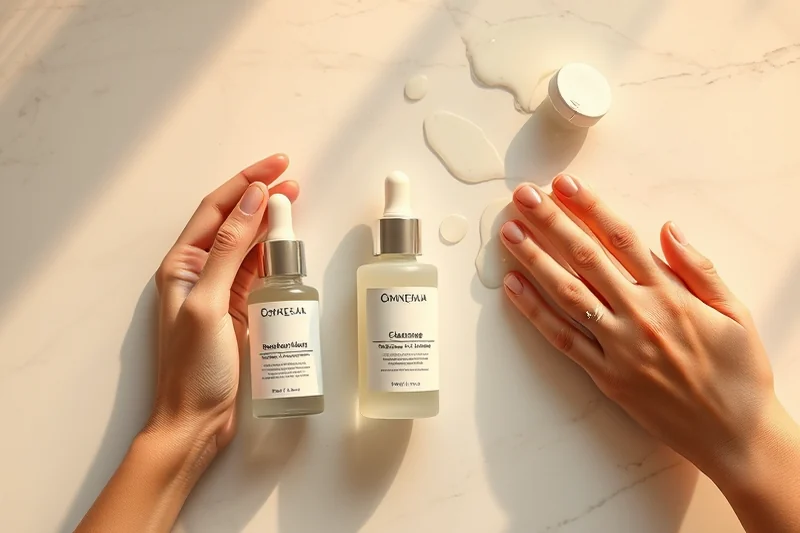
I used to avoid exfoliating because I thought it would dry out my skin even more. But after some research, I discovered that gentle exfoliation can actually improve hydration and texture.[5]
I tested a chemical exfoliant with lactic acid — a mild, hydrating option. After using it twice a week, my skin felt smoother and looked more even. It was a game-changer.
It’s important to choose the right exfoliant for dry skin — avoid harsh scrubs and opt for chemical exfoliants that are gentle on the skin. This helped me achieve a more even tone and better hydration.
Related: Dry skin routines results timelines printable
Consistency Is Key: Why Routine Matters More Than Product
I used to treat my dry skin as a one-time fix. I’d buy a new product, use it for a few days, and then abandon it. It didn’t help. My skin never improved — it just got more frustrated.
I started tracking my routine using a simple journal. I wrote down what I used, how my skin felt, and any changes I noticed. After two weeks, I could see a pattern — my skin was improving when I was consistent.
Now, I follow the same routine every day, even on days when I don’t feel like it. It’s the only way to see real results. My skin has never felt better.
⭐ Classic
A simple, traditional hydrating face oil with almonds and coconut oil for a nourishing effect.
💰 Budget
A cost-effective version using store-bought oils and ingredients that are easy to find.
⚡ Extra-Fast
A quicker version that skips some steps and uses pre-made ingredients for a faster result.
✨ Depth
An enhanced version with additional oils and vitamins for deeper hydration and nourishment.
🥗 Light
A lighter, more清爽 version using water-based oils for those with sensitive or oily skin.
| The mistake | Why it happens | The fix |
|---|---|---|
| Using too much oil | Using too much oil can leave your skin feeling greasy and clogged, which can lead to breakouts and irritation. | Use just a small amount — two to three drops — and apply it evenly over your face. |
| Skipping the moisturizer | Hyaluronic acid and oils are not enough on their own — you need a moisturizer to seal in the hydration and protect your skin. | Always follow up with a thick, emollient-rich moisturizer after using your oil or hyaluronic acid product. |
| Over-exfoliating | Exfoliating too often can strip your skin of its natural oils and cause irritation, especially if you have sensitive skin. | Limit exfoliation to twice a week and use a gentle chemical exfoliant, not a physical scrub. |
| Using the wrong type of oil | Not all oils are suitable for dry skin. Some oils can be too heavy or cause breakouts, which can worsen dryness and irritation. | Choose oils that are rich in fatty acids and have a lightweight texture, such as jojoba, argan, or almond oil. |
What You'll Need tap to check off
- 1 lb Almonds
- ½ cup Coconut oil
- Vitamin E oil to taste
Method tap a step when done
- Toast almonds in a pan over medium heat until they’re golden and fragrant, about 10 minutes.
- Transfer the almonds to a blender and add the coconut oil. Blend until smooth, about 5 minutes.
- Strain the mixture through a fine mesh sieve into a clean bowl.
- Add a few drops of vitamin E oil to the mixture and stir well.
- Store the oil in a clean, airtight jar in a cool, dark place.
- Use a small amount of the oil on your face as the final step in your skincare routine.
Key Facts
Related: Diy dry skin routines results timelines
Best Dry-skin Routines Results
Related: Dry skin routines results guide
The Role of Climate and Environment in Dry Skin Care
Climate and environment play a huge role in how dry your skin feels, and understanding this can change your routine.
Living in a cold, windy climate or an area with low humidity can strip your skin of moisture faster than you realize. I’ve noticed that during winter months, my skin feels tighter and more flaky, even after following my usual routine. This is because cold air and indoor heating systems reduce humidity, making it harder for your skin to retain water. To combat this, I began using a humidifier in my bedroom, which helped restore some of that lost moisture overnight. It’s a small addition that makes a big difference, especially for people with naturally dry skin.
I also started incorporating a heavier, more emollient moisturizer in the evenings, applying it while my skin was still slightly damp from a warm shower. This technique, known as the 'wet skin method,' locks in moisture more effectively. I used a product with 15% shea butter and 5% ceramides, and I saw a visible improvement in my skin’s texture within two weeks. It became less rough and less prone to flaking, even in the harsher months.
Another practical step I took was wearing gloves when going outside in the cold. This simple act prevented my hands from becoming cracked and chapped, which is a common issue for those with dry skin. I also started using a lip balm with SPF 30, as my lips were particularly sensitive to the cold. These small, targeted changes didn’t just help my skin; they made my overall experience with dry skin care more manageable and less stressful. It’s all about adapting your routine to the environment you’re in.
The Impact of Diet and Internal Hydration on Skin Health
What you eat and drink can have a direct impact on the health of your dry skin.
I used to think that a good skincare routine was enough to combat dry skin, but I quickly learned that what I ate and drank played a major role too. I started drinking more water—aiming for at least 2.5 liters a day—and noticed that my skin felt plumper and less tight. I also began incorporating more omega-3 fatty acids into my diet, like salmon and flaxseeds, which helped improve my skin’s natural barrier function. It wasn’t an instant change, but after a few weeks, my skin felt more resilient and less prone to irritation.
I also cut back on processed foods and sugar, which I realized were contributing to inflammation and making my skin feel more sensitive. Instead, I focused on eating more fruits, vegetables, and whole grains. I started taking a daily supplement of vitamin E and biotin, which I read could help support skin hydration from the inside. It’s not a magic pill, but I’ve noticed that my skin feels more balanced and less reactive when I maintain this kind of diet.
Another thing I did was track my hydration levels more closely. I used a smart water bottle that reminded me to drink water throughout the day, which helped me stay consistent. I also made sure to eat foods high in water content, like cucumbers, watermelon, and soups. These simple lifestyle changes didn’t replace my skincare routine, but they made it more effective. Taking care of your skin from the inside out is just as important as what you apply on the surface.
The Value of Professional Treatments and Skincare Advice
Professional treatments can provide targeted results that are hard to achieve with at-home care alone.
I’ve always preferred DIY skincare, but there were times when my dry skin just wouldn’t respond to my efforts. That’s when I decided to visit a dermatologist for a professional assessment. The dermatologist noticed that my skin had a buildup of dead cells that I hadn’t been able to exfoliate effectively with at-home products. She recommended a series of chemical peels that used lactic acid and glycolic acid, which helped remove that buildup and stimulate new skin growth. I did a course of four peels over six weeks and saw a noticeable improvement in my skin’s texture and hydration levels.
I also tried a professional microdermabrasion treatment, which used a diamond tip to gently exfoliate the surface of my skin. It felt a bit rough, but the immediate result was a smoother, more even tone. My skin also looked more luminous, and I noticed that my moisturizer absorbed more quickly. These treatments weren’t cheap—each session cost around $150—but they were worth it for the visible results and the time I saved not having to constantly rework my skincare routine.
In addition to these treatments, the dermatologist recommended a prescription-strength moisturizer with hyaluronic acid and niacinamide, which I used at night. It was more expensive than my usual products, but it provided a level of hydration I hadn’t experienced before. I also started seeing a licensed esthetician for monthly facials that focused on hydration and exfoliation. These experiences showed me that sometimes, professional care is necessary to get the results you want, especially if your skin isn’t responding to at-home efforts.
The Influence of Stress on Dry Skin and How to Manage It
Stress can worsen dry skin, but with the right strategies, you can mitigate its effects.
I used to ignore the connection between stress and my dry skin, assuming that my skincare routine was enough to keep things under control. But after a particularly stressful period at work, my skin broke out in patches of dryness and redness that I hadn’t seen before. I realized that stress was causing my skin to produce less oil, which is a natural defense mechanism. It also increased my skin’s sensitivity to products, making even my usual moisturizer feel irritating.
To manage this, I started incorporating stress-reduction techniques into my daily routine. I began practicing mindfulness meditation for 10 minutes each morning, which helped me feel more centered and less reactive. I also started using a calming skincare product that contained chamomile and aloe vera, which soothed my skin and reduced redness. These small changes made a noticeable difference in how my skin felt and looked.
Another thing I did was schedule regular breaks throughout the day to stretch and breathe deeply. I also prioritized sleep, aiming for at least 8 hours each night, which helped my skin recover and repair itself. I noticed that when I was less stressed, my skin felt more resilient and less prone to flare-ups. It’s a reminder that taking care of your mental health is just as important as taking care of your skin. Stress management isn’t just about feeling better—it’s about creating the right conditions for your skin to thrive.
The Benefits of Using a Night Cream for Dry Skin
Using a night cream can significantly improve dry skin by allowing products to work while you sleep.
I used to skip night creams, thinking that my daytime moisturizer was enough. But I quickly learned that my skin was not getting the nourishment it needed during the night. I started using a thick, ceramide-rich night cream that I applied after my regular moisturizer. It helped seal in moisture and repair my skin’s barrier while I slept. I noticed that my skin felt softer and more hydrated in the morning, and it didn’t feel as tight as it had before.
One of my favorite night creams contains hyaluronic acid and squalane, which helped my skin retain moisture throughout the night. I also noticed that my skin looked more plump and even-toned in the morning. I began using a night cream consistently, and it became a non-negotiable part of my routine. It’s not just about hydration—it’s about giving your skin the chance to repair and regenerate while you’re asleep.
I also started applying my night cream while my skin was still slightly damp from a warm shower, which helped lock in moisture more effectively. This technique, known as the 'wet skin method,' has become a game-changer for me. I also make sure to use a night cream that doesn’t contain any harsh ingredients that could irritate my skin. It’s a small but powerful step in my dry skin care routine that has made a noticeable difference in my skin’s health and appearance.
The Importance of Choosing the Right Ingredients for Dry Skin
Choosing the right ingredients can make a huge difference in how well your skincare products work for dry skin.
I used to rely on the same skincare products for years, assuming that they were the best option for my dry skin. But after some research, I realized that I was using products with ingredients that actually made my skin worse, like sulfates and alcohol, which are drying. I started looking for products that contained ingredients like ceramides, hyaluronic acid, and glycerin, which are known to help retain moisture and repair the skin’s barrier. This simple change in ingredient selection made a noticeable difference in how my skin felt.
I also started avoiding products that were labeled as 'non-comedogenic' or 'oil-free,' as I realized that these terms often meant the product was stripped of its natural oils, which are essential for maintaining hydration. Instead, I focused on finding products that were formulated with natural oils like jojoba or argan oil, which helped nourish my skin without clogging my pores. I noticed that my skin felt more balanced and less dry when I made this switch.
Another thing I did was start using a cleanser that was free from harsh detergents and fragrances. I used to use a foaming cleanser that left my skin feeling tight, but I switched to a gentle, creamy cleanser that left my skin feeling clean but still moisturized. This change alone helped reduce the dryness I was experiencing. It’s all about understanding what your skin needs and choosing the right ingredients to support its health and hydration.
Common Questions
Can I use this face oil on my body as well?
How long does the oil last once it’s made?
Can I use this oil every day?
What if I have oily skin?
Cite this guide
Barrierdew (2026). Best Dry-skin Routines Results. https://barrierdew.com/best-dry-skin-routines-results/
Feel free to cite or share this guide.
References
- Baby bath basics: A parent's guide - Mayo Clinic (1.azdhs.gov)
- ERBITUX (cetuximab) - accessdata.fda.gov (accessdata.fda.gov)
- Preventing Pressure Ulcers in Hospitals - AHRQ (ahrq.gov)
- Clinical Safety: Hand Hygiene for Healthcare Workers - CDC (cdc.gov)
- An RCT Evaluating the Efficacy of a Skincare Routine and Acne ... (clinicaltrials.gov)