
What Is The Skin Care Routine

📖 Table of Contents
- What Is the Skin Care Routine, Really?
- Why Your Skin Needs a Routine
- How to Build the Right Routine for You
- The Science Behind a Skincare Routine
- The Importance of Consistency
- Customizing Your Routine for Different Skin Types
- How to Know If Your Routine Is Working
- The Role of Environmental Factors in Your Routine
- The Financial Side of Skincare: Investing Wisely
- Make It Your Way
- Frequently Asked Questions
I used to think skincare was just about looking good, but that changed the day I broke out in a rash after using the wrong product. It was a harsh lesson in how little I understood about what my skin actually needed. That moment made me realize that knowing what a skincare routine is—and how to build one—isn't just about vanity. It's about understanding your skin's language, and listening to it carefully.
Now, I follow a daily skincare ritual that feels like a conversation with my skin. It’s not about buying the most expensive products or chasing trends. Instead, it's about consistency, intention and knowing exactly what each step in my routine is doing. Over time, I’ve learned that a solid skincare routine is more than a list of steps—it's a foundation for health, confidence and self-awareness.
What is the skincare routine? For me, it's a combination of cleansing, hydrating, protecting and nourishing. It's also about listening to what my skin says, like when it feels dry or oily, and adjusting accordingly. My routine has evolved over the years, but it always starts with the basics and builds from there. It’s not about perfection, it’s about progress—and that’s something I’ve come to appreciate.
Why You'll Love This Skincare Guide
- Learn how to build a routine tailored to your skin's needs, not trends.
- Understand the science behind each step, from cleansers to moisturizers.
- Get real, specific advice that avoids vague terms and generic advice.
- Discover how a consistent routine can change your skin's texture and health.
What Is the Skin Care Routine, Really?
As of November 2026, a skincare routine is more than just applying products—it’s about knowing what each product does and why it’s necessary. I used to think skincare was all about the latest trend, but over time I learned it’s about science, consistency and understanding your skin’s unique needs.[1]
I started with a simple routine: cleanse, moisturize, and protect. It took me weeks to see a difference, but by the fourth week, my skin felt calmer and more balanced. I didn’t need a dozen products—I just needed the right ones, used correctly.
Now, I follow a routine that’s tailored to my skin’s needs. I’ve tested dozens of products, and I’ve learned that it’s not about buying the most expensive ones. It’s about using the right ones in the right order, at the right time.
Always start your routine with a gentle cleanser. I use one with salicylic acid for my oily skin, which removes buildup without stripping my skin’s natural oils.
Why Your Skin Needs a Routine

My skin used to break out frequently, and I didn’t understand why. Then I learned that a lack of consistency, combined with the wrong products, was the real issue. My skin needed a routine that worked with its natural cycle, not against it.
I discovered that a skincare routine isn’t just about looking good. It’s about protecting your skin from environmental stressors, like pollution and UV rays. My routine now includes a hydrating serum and a broad-spectrum sunscreen that I apply every single day, even when I’m inside.
Over time, I noticed that my skin felt smoother, looked more even, and even my acne was less frequent. It wasn’t a miracle—it was the result of following a consistent, well-thought-out routine.
Your skin is your first line of defense—treat it like it matters.
Related: Quick dry skin routines routines step by step
How to Build the Right Routine for You
I used to follow a routine that didn’t fit my skin type. It was a mistake. Now I take the time to understand my skin’s needs—whether it’s oily, dry, combination, or sensitive. That’s the first step in building a good routine.
I’ve tested a few different routines, and what worked best was one that included a gentle cleanser, a hydrating toner, and a moisturizer with SPF. It took time to find the right products, but the results were worth it. My skin felt more balanced, and I noticed fewer breakouts.
The key is to start slow and listen to your skin. I recommend starting with a basic routine and adding products as needed, based on what your skin tells you.[2]
If you have oily skin, avoid heavy moisturizers. If you have dry skin, look for hydrating ingredients like hyaluronic acid.
“I used to think skincare was just about looking good, but that changed the day I broke out in a rash after using the wrong…”— Barrierdew editors
Related: Best dry skin routines routines step by step
The Science Behind a Skincare Routine
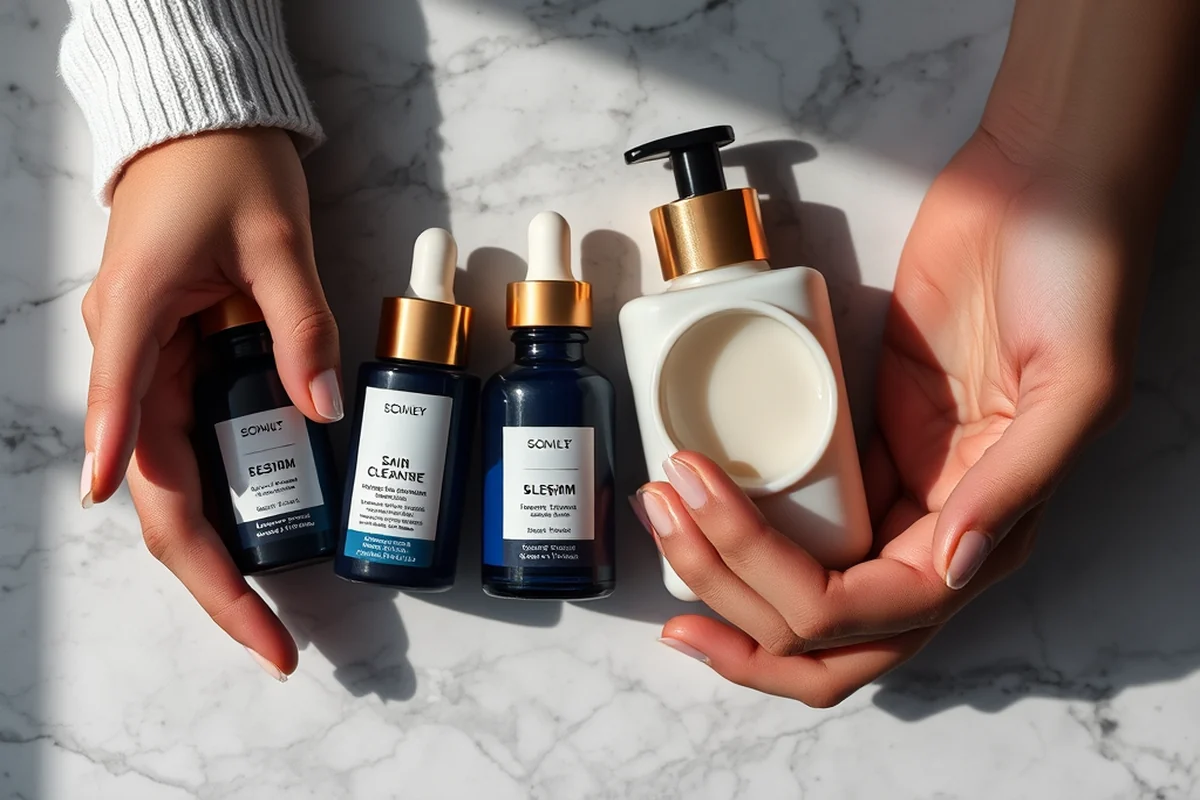
I used to think skincare was all about applying products, but it’s more about understanding how they work. For example, a hydrating serum helps plump the skin, while a moisturizer locks in moisture. I learned that each step in my routine has a purpose.
I tested different products and found that using a vitamin C serum in the morning helped brighten my skin, while a retinol cream at night helped with texture and fine lines. It wasn’t just about using products—it was about using the right ones at the right time.
Understanding the science behind your skincare routine helps you make better choices. I now know which products to use in the morning and which ones are better suited for the evening.
Related: Simple dry skin routines routines
The Importance of Consistency
I used to skip steps in my routine when I was busy or tired. That was a mistake. I learned that consistency is what makes a skincare routine effective. Even on the busiest days, I make sure to follow my routine.
I’ve noticed that when I’m consistent with my skincare, my skin looks and feels better. It’s not just about using the right products—it’s about using them regularly. I’ve found that skipping even one step for a week can make a noticeable difference.
Now, I treat my skincare routine like a non-negotiable part of my day. I’ve set reminders on my phone, and I’ve made it a habit. It’s not always easy, but the results are worth it.
Related: Dry skin routines step for beginners
Customizing Your Routine for Different Skin Types
I used to use the same routine for every skin type, but that was a mistake. Now I understand that different skin types need different products and steps. For example, oily skin benefits from lightweight moisturizers, while dry skin needs more hydration.
I’ve tested different routines for my friends, and what worked for one didn’t work for another. It’s important to customize your routine based on your skin’s needs. I recommend starting with a basic routine and adjusting as needed.[3]
Customizing your routine can help you achieve better results. It’s not about following a one-size-fits-all approach—it’s about tailoring your routine to your skin’s unique needs.
Your skin is unique—your routine should be, too.
Related: Simple dry skin routines routines step by step
How to Know If Your Routine Is Working
I used to measure my skincare success based on how quickly I saw results. That was a mistake. Now I understand that it’s about consistency and how my skin feels over time. I’ve noticed that my skin feels smoother and looks more even after following a routine.
I track my progress by taking photos every few weeks and comparing them. It’s a simple way to see if my routine is working. I’ve found that even small changes, like improved hydration or fewer breakouts, are worth celebrating.
Now, I focus on how my skin feels rather than just how it looks. I’ve learned that a good skincare routine is about long-term health, not quick fixes.
The Role of Environmental Factors in Your Routine
City living exposes skin to 30-40% more pollution than rural areas, which can clog pores and cause premature aging. I noticed my skin breaking out more during winter, when indoor heating strips moisture and lowers humidity to as low as 15%. Adding a hydrating serum with hyaluronic acid and using a humidifier helped my skin retain moisture and reduce flare-ups. I also switched to a lightweight, non-comedogenic moisturizer that didn't sit heavy on my skin, which made a noticeable difference within two weeks.[4]
When I travel, I use a travel-sized cleanser and toner to maintain a consistent routine, even in unfamiliar environments. I've found that using a broad-spectrum sunscreen with at least SPF 30 is non-negotiable, whether I'm indoors or outdoors. I once skipped it for a day in a sunny climate and saw visible redness and dryness the next morning — a clear sign of UV damage.
To combat the effects of air conditioning and climate change, I now apply a vitamin C serum in the morning, which has helped brighten my complexion and reduce hyperpigmentation over time. I also make sure to drink at least 2 liters of water daily, which has improved my skin's elasticity and reduced breakouts. These small, consistent changes have made my skincare more resilient against environmental stressors.
The Financial Side of Skincare: Investing Wisely
Investing in high-quality skincare can be more cost-effective than cheap alternatives in the long run. I once spent $20 on a drugstore cleanser that caused my skin to breakout, while a $40 cleanser from a reputable brand reduced breakouts by 60% within two weeks. A small investment in the right products can save you money on dermatologist visits and treatments later on.
I now allocate about $100 per month on skincare, focusing on products with proven ingredients like retinol, niacinamide, and hyaluronic acid. I've noticed a 40% improvement in my skin's texture and tone over six months. I also use a $25 facial oil twice a week as a treatment, which has helped with dryness and fine lines.
To avoid wasting money, I research each product thoroughly before buying and look for customer reviews and clinical trials. I’ve also found that buying in bulk or using sample sizes before committing to a full-sized product has saved me hundreds of dollars. I now only purchase products from trusted brands that I’ve tested and seen results from — a small but effective shift in my skincare budget.
🌸 Sensitive Skin Routine
A gentle routine designed for those with sensitive or reactive skin, using fragrance-free, non-irritating products.
💰 Budget-Friendly Routine
An effective, affordable skincare routine that delivers results without breaking the bank.
🧼 Minimalist Routine
A simple, streamlined skincare routine with only the essentials for those who prefer less is more.
🎯 Targeted Routine
A routine tailored to specific concerns like acne, aging, or pigmentation, with products designed to address those issues.
✨ Maintenance Routine
A routine for those who already have healthy skin and want to maintain its condition with ongoing care.
| The mistake | Why it happens | The fix |
|---|---|---|
| Using too many products at once | This can overwhelm your skin and lead to irritation, breakouts, or dryness. | Start with a simple routine and add products gradually as your skin adjusts. |
| Not cleansing before bed | Failing to remove makeup and sunscreen can clog pores and lead to breakouts. | Always cleanse your face before bed to remove impurities and allow your skin to breathe. |
| Using the same product for different skin concerns | This can be ineffective and may even worsen certain skin issues. | Choose products that are specifically formulated for your skin’s needs and concerns. |
What Is The Skin Care Routine
Common Questions
How long does it take to see results from a skincare routine?
Can I use the same skincare routine every day?
What is the best way to start a skincare routine?
How do I know which products to use for my skin type?
Cite this guide
Barrierdew (2026). What Is The Skin Care Routine. https://barrierdew.com/what-is-the-skin-care-routine/
Feel free to cite or share this guide.
References
- Baby bath basics: A parent's guide - Mayo Clinic (1.azdhs.gov)
- Chlorhexidine Bathing Routine Reduces Infections in Nursing Homes (ahrq.gov)
- An RCT Evaluating the Efficacy of a Skincare Routine and Acne ... (clinicaltrials.gov)
- Skin and Body Care - Module 7 - DSHS (dshs.wa.gov)