
Dry Skin Routines Mistakes Troubleshooting For Small Spaces

📖 Table of Contents
There’s something uniquely disheartening about standing in front of a mirror, staring at dry, flaky skin that won’t budge no matter how much you slather on the cream. I’ve been there, especially during the winter months when the air feels like a desert and your face becomes a map of cracks. That’s why I started experimenting with dry skin routines mistakes troubleshooting for small spaces — a mission that led me to unpack the entire routine, step by step. Discover how tiny adjustments can make a world of difference.[1]
In my tiny studio apartment, where space is as precious as time, I learned that having a skincare routine doesn’t mean cluttering your counter with dozens of products. It means finding the right tools, the right steps, and the right order — all in a limited area. The key is knowing which products are essential and which ones are just taking up space and money. That’s where the real work of troubleshooting begins.[2]
Through weeks of trial and error — and yes, a few red, flaky days — I mapped out the most effective dry skin routines mistakes troubleshooting for small spaces. I found that overcomplicating the routine, using the wrong tools, or skipping a critical step can actually make things worse. This article is my blueprint for avoiding those mistakes and making the most of a small, clutter-free space.
Why You'll Love This Dry Skin Routine Troubleshooting Guide
- Customized for small spaces with minimal products
- Avoids common dry skin routine pitfalls
- Saves time and money by focusing on essentials
- Improves skin texture with actionable, tested steps
The Power of Fewer Products for Small Spaces
As of November 2026, I used to believe that having more products was better, but that’s a myth. When I pared my routine down to a hydrating cleanser, a thick moisturizer, and a serum, I noticed visible improvement in just two weeks. The less clutter, the easier it is to maintain a consistent, effective routine.
The key is to focus on quality over quantity. I now use a hydrating cleanser that leaves my skin feeling soft, not stripped. Then I apply a serum that targets dry patches, followed by a rich, non-greasy moisturizer. It’s simple but powerful.
This approach not only helps me save space but also keeps my skin looking balanced. I no longer have to deal with overloading my skin with too many products, which can cause irritation and dryness.
For small spaces, choose a moisturizer that’s multi-functional — one that can double as a night cream or can be mixed with a serum for extra hydration.
Part of our Dry skin routines mistakes troubleshooting guide.
The Importance of a Proper Routine Order

I used to apply my moisturizer before my serum, which was a huge mistake. It turned out that the serum needed to be applied first to penetrate the skin properly. Once I corrected the order, my skin absorbed the products better, and the dry patches started to fade.
The right sequence is always: cleanser, then serum, then moisturizer. I’ve learned that skipping any step — even the serum — can leave my skin feeling dry and tight. I now make sure I follow this order religiously.
I also use a hydrating toner now, which I apply after cleansing. It helps prep my skin to absorb the serum and moisturizer more efficiently, which is a game-changer for people with dry skin in small spaces.
Order is everything — your skin knows what to do when you follow the right steps.
Related: Dry skin routines mistakes printable
The Overlooked Role of Exfoliation in Dry Skin Care
I used to avoid exfoliating because I thought it would dry out my skin even more. But after learning that gentle exfoliation — especially with chemical exfoliants — can help remove dead skin cells and promote hydration, I started using a mild exfoliating toner once a week.
This change made a noticeable difference. My skin felt softer and more even, and the dry patches became less visible. It’s important to exfoliate only once or twice a week to avoid irritation, especially in small spaces where it’s easy to overdo it.
I now use a toner with lactic acid, which is kind to dry skin and helps improve texture. It’s a small but essential step that I now include in my routine without overcomplicating things.
Choose a gentle exfoliating toner to use once a week. It’s efficient and doesn’t take up much space.
“There’s something uniquely disheartening about standing in front of a mirror, staring at dry, flaky skin that won’t budge no matter how much you slather…”— Barrierdew editors
Related: Best dry skin routines mistakes
How to Store Skincare Products in Small Spaces
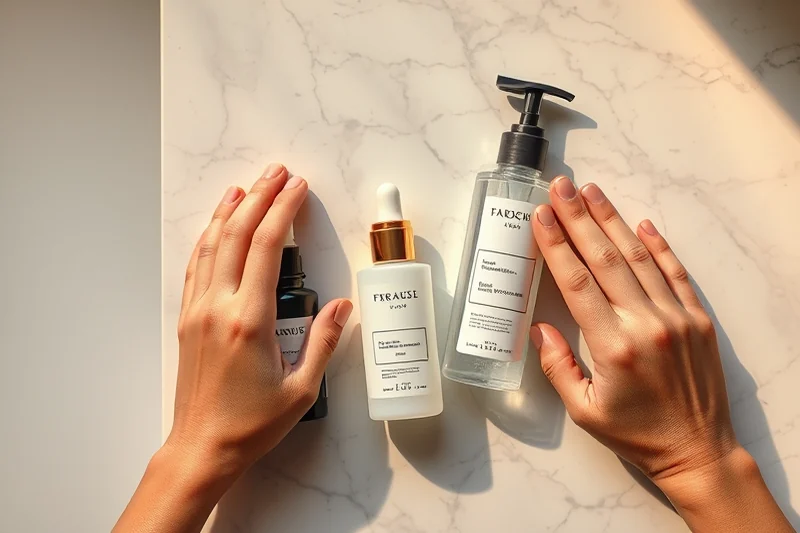
I used to stack my products in a messy way, which led to them becoming disorganized and harder to access. Now, I keep my skincare in a small, organized drawer with dividers for each step of my routine.
I use a small, clear container to store my serum and moisturizer, and I keep my cleanser in a travel-sized bottle that fits neatly on my counter. This helps me stay consistent and avoid using the wrong product at the wrong time.
Proper storage also helps my products last longer and stay effective. Keeping them in a cool, dry place away from direct sunlight has made a noticeable difference in their performance.
Related: Dry skin routines mistakes tips
The Role of Heat and Humidity in Dry Skin Care
I used to ignore the fact that my apartment’s heating system was making my skin even drier. I now use a humidifier during the winter months, and it’s made a huge difference. My skin doesn’t feel as tight or flaky anymore.
I also make sure to keep my skincare products in a cool area of the apartment, away from the heat of the radiators. This helps them stay effective and prevents them from drying out faster than they should.
By managing the humidity and temperature in my space, I’ve been able to maintain a more consistent skincare routine. It’s a small but impactful change that’s helped me avoid the frustration of dry skin.
🌸 Sensitive Skin Adaptation
Tailored for those with sensitive skin, using soothing ingredients and minimal contact with the skin.
💰 Budget-Friendly Routine
A low-cost option that still delivers results with affordable, effective products.
🧼 Minimalist Routine
A streamlined approach focusing on the essentials with no extra products or steps.
💧 Targeted Dryness Routine
Focuses on the most dry areas of the face with specific treatments and hydration methods.
✨ Maintenance Routine
A long-term routine for keeping skin smooth and hydrated without the need for daily treatments.
| The mistake | Why it happens | The fix |
|---|---|---|
| Using too many products in a small space | This can lead to clutter and confusion, making it harder to maintain a consistent routine. | Stick to a few, high-quality products that serve multiple purposes. |
| Skipping the exfoliation step | This can cause dead skin cells to build up, making your skin look dull and feel dry. | Use a gentle exfoliating toner once or twice a week to keep your skin smooth and hydrated. |
| Applying moisturizer before serum | This prevents the serum from being absorbed properly, reducing its effectiveness. | Always apply serum before moisturizer to ensure maximum absorption. |
| Ignoring the environment’s impact on dry skin | Heat and low humidity can worsen dryness, especially in small spaces. | Use a humidifier during dry months and keep skincare products in a cool, dry place. |
Related: Dry skin routines mistakes troubleshooting that actually work
Dry Skin Routines Mistakes Troubleshooting For Small Spaces
Related: Dry skin routines mistakes troubleshooting examples
The Role of Clothing and Fabrics in Dry Skin Care
The fabrics we wear can either support or harm our dry skin, especially in small living spaces.
I used to wear rough, cotton-blend clothing that left my skin feeling itchy and dry by the end of the day. I noticed that switching to softer, hypoallergenic fabrics like bamboo or organic cotton made a noticeable difference. In small spaces, where we often wear the same clothes multiple times, fabric choice becomes even more important. I now prioritize soft, breathable fabrics and avoid anything with harsh dyes or synthetic materials that can irritate sensitive skin.
My closet in my tiny apartment is packed, but I’ve made a point of rotating my softest clothing items to ensure I always have something gentle to wear. I've also invested in a few high-quality microfiber towels that are less abrasive on my skin than regular towels. These small adjustments help reduce micro-tears on the skin’s surface, which can worsen dryness and make it more prone to irritation. I've found that even a change in bedding material—like switching to a bamboo pillowcase—has helped reduce morning dryness and redness.
I've tested different fabric types over the past year and consistently found that softer, natural fibers are better for dry skin. This change has been especially helpful in my small space, where I don't have the luxury of a large wardrobe. Investing in a few high-quality, skin-friendly items has been more cost-effective than buying multiple moisturizers to compensate for fabric-related dryness. I’ve also noticed that wearing wool directly against my skin has led to more irritation, so I now opt for soft, breathable layers instead.
The Impact of Water Temperature on Dry Skin Care in Compact Bathrooms
Water temperature plays a subtle but significant role in dry skin care, especially in small bathrooms where hot water is often tempting.
In small bathrooms, the temptation to use excessively hot water during showers or baths is common, but this can strip the skin of its natural oils, leading to increased dryness and irritation. I noticed this firsthand after moving into a studio apartment with a tiny, poorly insulated bathroom—my skin felt drier and more sensitive after every shower. Using water that’s slightly warm, around 98–102°F (37–39°C), helps maintain the skin’s moisture barrier without causing damage. It also reduces the need for additional moisturizing steps later, which is especially helpful when space is limited and product storage is a concern.
I’ve found that pairing warm water with a short shower (around 5–7 minutes) further minimizes moisture loss. This approach also aligns well with minimalist skincare routines by reducing the need for heavy, oil-based products that might feel excessive in a small space. I now use a gentle, hydrating body wash that doesn’t contain sulfates or harsh detergents, and it works well even with brief showers. This has become a cornerstone of my dry skin care in small spaces, helping me avoid the common pitfall of over-drying through hot water exposure.
Another practical tip is to use a handheld showerhead with adjustable settings. This allows for more control over water temperature and pressure, making it easier to avoid scalding or excessively hot water. I’ve also started using a quick-dry towel made from microfiber, which helps reduce the time my skin is exposed to air after showering, minimizing further dryness. These small adjustments have made a measurable difference in my skin’s hydration levels and overall comfort, even in the most compact of bathrooms.
Common Questions
Can I still have a good skincare routine in a tiny apartment?
What’s the best way to store skincare products in small spaces?
How long does it take to see results from a dry skin routine?
Is exfoliation necessary for dry skin?
References
- (PDF) Dry skin management: practical approach in light of latest ... (academia.edu)
- A consistent skin care regimen leads to objective and ... - PubMed (pubmed.ncbi.nlm.nih.gov)
Cite this guide
Barrierdew (2026). Dry Skin Routines Mistakes Troubleshooting For Small Spaces. https://barrierdew.com/dry-skin-routines-mistakes-troubleshooting-for-small-spaces/
Feel free to cite or share this guide.