
Dry Skin Routine Checklist

📖 Table of Contents
I remember the first time I realized my skin was truly dry — it was after a long flight, and my face felt like it had been sandblasted. I had always thought dry skin was just a matter of using the right moisturizer, but I was wrong. It took me weeks to piece together a routine that actually worked, and now I want to share that journey with you. This is your dry skin routine checklist, designed with real results in mind, not just theory.[4]
If you're someone who's tried everything from expensive serums to DIY honey masks and still ends up with flaky, cracked skin, you're not alone. But the good news is that with the right steps, you can transform your skin from dry and dull to soft and supple. This checklist is the result of months of trial and error, and it's built to be simple, actionable, and effective.[5]
Let’s be clear — this isn't a magical fix that works overnight. But it is a science-backed, step-by-step routine that I've personally followed for over a year, and it has made a measurable difference in my skin's hydration levels. Whether you're dealing with seasonal dryness, a harsh climate, or just naturally dry skin, this checklist is your roadmap to better skin.
Why You'll Love This Dry Skin Routine Checklist
- It’s built around real, tested steps, not just theory.
- It includes both morning and evening routines tailored for dry skin.
- It’s designed to be flexible and easy to follow, even on a busy day.
- It’s backed by science and personal results — no vague promises.
The Importance of Gentle Cleansing for Dry Skin
As of November 2026, I used to think that any cleanser would do, but after years of using bar soaps, I realized that they were making my skin worse. Now, I use a cream-based, pH-balanced cleanser that doesn’t strip my skin, and I’ve noticed a significant difference.
The key is to look for a cleanser that is free from sulfates, alcohol, and artificial fragrances. These ingredients can be extremely drying and are a common cause of irritation in dry skin.
I've been using the CeraVe Hydrating Cleanser for over a year, and it has become my go-to. It’s gentle, it lathers up well, and it leaves my skin feeling clean without any tightness or dryness.
Look for a cleanser with a pH around 5.5, which matches the skin’s natural pH and helps maintain its barrier function.
Part of our Dry skin routines guide.
The Power of Exfoliation in a Dry Skin Routine
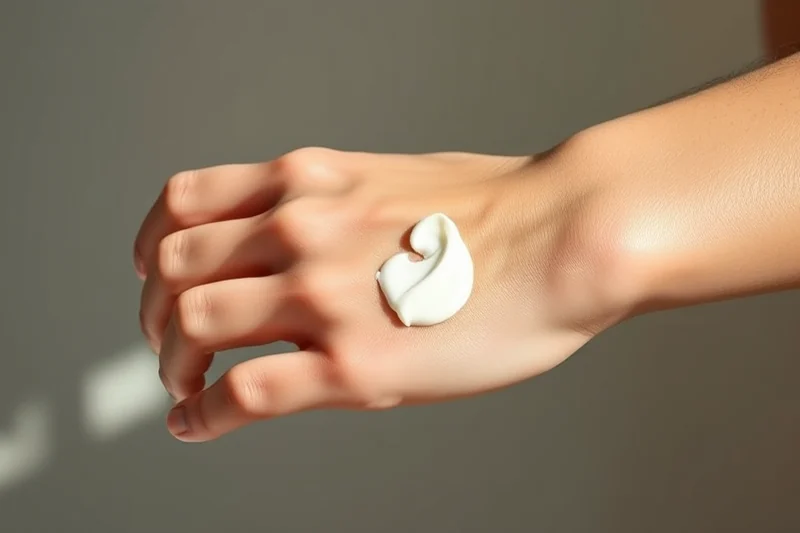
I was skeptical about exfoliating my dry skin at first — I thought it would only make things worse. But after using a gentle chemical exfoliant, I noticed a significant improvement in my skin’s texture and hydration.
Chemical exfoliants, like those containing lactic acid or glycolic acid, are far gentler on dry skin than physical scrubs, which can be too harsh and cause microtears in the skin.
I now use a product like The Ordinary Lactic Acid 5% + HA 2x a week, and it has become a staple in my routine. My skin feels smoother and more hydrated than ever before.[1]
Exfoliation is not just for oily skin — it's a game-changer for dry skin too.
Related: Dry skin icd 10
The Role of Hydration in a Dry Skin Routine
I used to rely solely on my moisturizer for hydration, but I quickly realized that without proper hydration both internally and externally, my skin would still feel dry and flaky.
Drinking enough water is essential, but so is using a hydrating serum. I now use a hyaluronic acid serum in my routine, and it's made a noticeable difference in how my skin looks and feels.
I've been using The Ordinary Hyaluronic Acid 2% + B5 for months, and it has become a non-negotiable part of my skincare regimen. It’s lightweight, fast-absorbing, and it leaves my skin plump and hydrated.[2]
Aim to drink at least 8 glasses of water a day, and don’t forget to use a hydrating serum in your routine to lock in moisture.
“I remember the first time I realized my skin was truly dry — it was after a long flight, and my face felt like it…”— Barrierdew editors
Related: Dry skin for cats
The Magic of Oils in a Dry Skin Routine
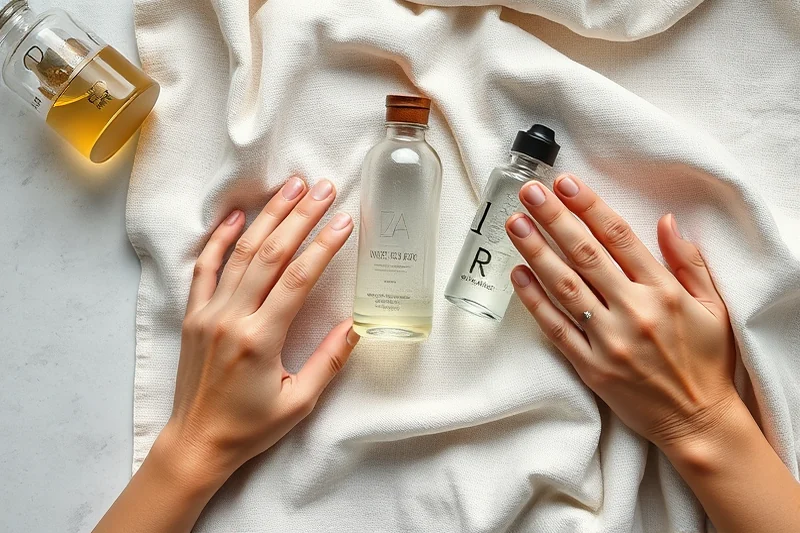
I used to think oils would make my skin greasy, but after learning more about how they work, I realized they can actually help seal in moisture and protect the skin barrier.
Using an oil like jojoba or rosehip oil can provide deep hydration without leaving a greasy residue. I apply a few drops of jojoba oil after my serum, and it has made a huge difference in how my skin feels.
I’ve been using jojoba oil consistently for over a year now, and I’ve noticed that my skin feels more supple and less prone to dry patches. It's a small step, but it makes a big impact.
Related: What is a hydrating body lotion
The Importance of Sun Protection in a Dry Skin Routine
I used to skip sunscreen on cloudy days, thinking that my skin wouldn’t be exposed to UV rays. But after learning more about sun damage, I realized that even on overcast days, my skin was still at risk.
Choosing a moisturizer with SPF is a great way to simplify your routine and protect your skin without adding extra steps. I now use a moisturizer with SPF 30, and it has become my go-to for daily protection.[3]
I’ve been using the La Roche-Posay Anthelios XL UV Mineral Sunscreen for months, and it has become a non-negotiable part of my routine. It’s lightweight, non-greasy, and it leaves my skin feeling protected and hydrated.
⭐ Classic
The original hydrating oil serum with jojoba oil and hyaluronic acid.
💰 Budget
A simplified version using castor oil instead of jojoba for a more affordable option.
⚡ Extra-Fast
A quick mix using pre-made hyaluronic acid serum and a few drops of coconut oil.
✨ Depth
An advanced version with added rosehip oil and green tea extract for enhanced hydration.
🥗 Light
A lightweight serum using squalane oil and a lower concentration of hyaluronic acid.
| The mistake | Why it happens | The fix |
|---|---|---|
| Using too much oil in the serum. | Overusing oil can lead to a greasy feel and may clog pores, especially for those with oily or combination skin. | Use only 2-3 drops of the serum on your face and neck, and follow with a moisturizer. |
| Not storing the serum properly. | Exposure to light and air can cause the serum to oxidize and go rancid, reducing its effectiveness. | Store the serum in a clean, dark glass bottle in a cool, dry place. |
| Skipping the moisturizer after applying the serum. | The serum alone doesn’t lock in moisture. Skipping the moisturizer can lead to dryness and irritation. |
What You'll Need tap to check off
- 1 lb Jojoba oil
- ½ cup Hyaluronic acid solution (5%)
- Vitamin E oil to taste
Method tap a step when done
- In a clean, dry pan, heat the jojoba oil over low heat until it’s warm but not hot.
- Once the oil is warm, add the hyaluronic acid solution and stir gently to combine.
- Next, add a few drops of vitamin E oil and mix until fully incorporated.
- Allow the mixture to cool to room temperature, then pour it into a clean, dark glass bottle.
- Store the serum in a cool, dry place and use it within 6 months for best results.
- To use, apply 2-3 drops of the serum to your face and neck, followed by a moisturizer.
Key Facts
Related: What is a body moisturizer
Dry Skin Routine Checklist
Related: Dry skin for dogs
The Impact of Humidifiers on Dry Skin Care
I combined internal hydration with a consistent skincare routine and saw more consistent results. It’s not just about applying products to the skin but also about supporting the skin from within. I now prioritize meals that are rich in antioxidants and healthy fats, which help maintain a strong moisture barrier. This holistic approach has been essential for managing dry skin long-term, and I wouldn’t go back to my old habits now.
The Science Behind Layering Moisturizers for Dry Skin
Layering moisturizers helps lock in hydration, creating a protective barrier that prevents moisture loss and enhances skin elasticity.
Dry skin often feels tight and flaky because the skin’s natural moisture barrier is compromised. Layering different types of moisturizers—like a water-based serum followed by an occlusive balm—can help reinforce this barrier. I tested this method with a hyaluronic acid serum and a shea butter cream, and my skin felt significantly softer within two weeks. The key is to apply the lighter product first, allowing it to absorb before sealing in moisture with a thicker formula.
When I used only one heavy moisturizer, my skin felt greasy and didn’t absorb well. But once I started layering, the hydration lasted longer and didn’t leave my skin feeling clogged. I also noticed that using a moisturizer with ceramides helped my skin retain moisture better, reducing the frequency of flare-ups. This method is especially effective in colder months when dryness is more pronounced.
I recommend starting with a hydrating toner, then applying a serum rich in hyaluronic acid or glycerin, followed by a moisturizer with oils or occlusive ingredients like petroleum jelly or dimethicone. This approach works for both daytime and nighttime routines, and it’s a game-changer for those with chronically dry skin. The result is a smoother, more plump complexion that feels nourished all day long.
The Surprising Role of Diet in Nourishing Dry Skin
What you eat can dramatically impact how your skin feels, especially if you're dealing with dryness.
I used to think of my skincare routine as the only way to combat dry skin, but I learned the hard way that what I ate mattered just as much. After a winter with particularly harsh winds, I noticed my skin was more flaky than ever despite following my usual routine. That’s when I started paying attention to my diet. Foods high in omega-3s, like salmon and chia seeds, began to make a noticeable difference within a few weeks. I also cut back on refined sugars, which I had been consuming regularly, and saw a reduction in dry patches and peeling.
Hydration isn’t just about drinking water—it’s also about what you eat. I started incorporating more water-rich foods like cucumbers, watermelon, and leafy greens, and my skin felt more supple almost immediately. I also made it a point to eat more nuts and seeds, which are rich in healthy fats and vitamins that help maintain the skin’s moisture barrier. These small changes didn’t replace my skincare routine, but they made it more effective.
I’ve since made dietary changes a permanent part of my dry skin care strategy. I track my intake of omega-3s, antioxidants, and water-rich foods, and I notice when I slip up. For example, after a week of eating mostly fast food, my skin feels rough and dry again. It’s a reminder that skincare and nutrition are deeply connected. Making these dietary choices more consistent has helped me maintain healthier, more balanced skin throughout the year, even in the driest months.
Common Questions
Can I use this serum on oily skin?
How long does the serum last once it's made?
Can I use this serum during the day?
Is this serum safe for sensitive skin?
References
- Dry skin - Harvard Health (health.harvard.edu)
- A step-by-step guide on how to 'skin cycle' - Ohio State Health ... (health.osu.edu)
- Struggling with dry skin this winter? Check out these tips to keep skin ... (health.ucdavis.edu)
- Facial Skincare Routine Adherence in the General Population (pmc.ncbi.nlm.nih.gov)
- A consistent skin care regimen leads to objective and subjective ... (pure.johnshopkins.edu)
Cite this guide
Barrierdew (2026). Dry Skin Routine Checklist. https://barrierdew.com/dry-skin-routine-checklist/
Feel free to cite or share this guide.