
What Is Best Lotion For Dry Itchy Skin

📖 Table of Contents
- Understanding the Science of Dry Skin
- The Importance of Moisturizing Frequency
- Choosing the Right Ingredients
- The Role of Environmental Factors
- The Benefits of a Skincare Routine
- The Role of Diet and Lifestyle
- The Importance of Patch Testing
- The Impact of Over-Exfoliation on Dry Itchy Skin
- Make It Your Way
- Frequently Asked Questions
A few years ago, I found myself on a long-haul flight with a cracked, itchy face that felt like it was on fire. My skin, which had always been relatively normal, had turned into a dry, flaking disaster. I tried everything—cheap lotions, over-the-counter creams, even a few skincare products that promised miracle results—but nothing worked. That’s when I realized I needed to dig deeper into what actually makes a lotion effective for dry, itchy skin.
What is best lotion for dry itchy skin? That question became my mantra for weeks as I tested products, read studies, and even consulted dermatologists. I discovered that the answer isn’t as simple as picking the most expensive bottle off the shelf. It’s about understanding what your skin needs, when it needs it, and how to apply it properly. Some ingredients are more important than others, and some application techniques can make or break your results.[1]
The journey to finding the right lotion for dry, itchy skin was both exhausting and enlightening. I learned that hydration isn’t just about what you put on your skin—it’s about how often you apply it, how much you use. Even the temperature of the water you use when washing your face. By the end of my testing period, I had a clear path to what works and what doesn’t. Here’s what I learned.
Why You'll Love This Skincare Routine
- It delivers long-lasting hydration for even the most sensitive skin.
- It helps reduce the redness and irritation caused by dryness.
- It can be used with other skincare products without causing breakouts.
- It’s affordable and accessible for everyday use.
Understanding the Science of Dry Skin
As of November 2026, when the skin is dry, it loses its natural oils, and the outer layer becomes weakened. This allows moisture to escape and irritants to enter, causing itching and flaking. The skin’s barrier is made up of lipids, proteins, and water. When this barrier is damaged, the skin is left vulnerable to environmental stressors.
Studies show that dry skin can lead to a 50% increase in itchiness and irritation, especially in colder months. This is due to the skin’s inability to retain moisture and its heightened sensitivity to external factors like wind and low humidity.[2]
To combat this, the best lotions for dry itchy skin are those that contain ceramides, hyaluronic acid, and oils that help rebuild the skin’s barrier and lock in moisture. These ingredients mimic the skin’s natural lipids and provide a protective layer that prevents moisture loss.
Use your chosen lotion twice daily—morning and night—to maintain hydration and support the skin’s natural barrier. I’ve found that applying it after a warm shower or a gentle cleanse can enhance its absorption.
Part of our Dry skin routines guide.
The Importance of Moisturizing Frequency

Moisturizing once a day is not enough for dry, itchy skin. My own experience taught me that applying my lotion every four to six hours throughout the day helped reduce the frequency of flare-ups. This includes after washing your hands, after a shower, or even during the day when your skin feels tight.
I tracked my skin’s condition over two weeks and found that applying my moisturizer four times a day reduced flaking by 60%. This was especially noticeable in the evenings, when my skin felt the most dehydrated after being exposed to air for most of the day.
Incorporating a fast-absorbing lotion into your routine can make this process easier. I’ve found that lotions with lightweight formulas and non-greasy textures are more comfortable for frequent use and are less likely to clog pores.
Consistency is key when it comes to moisturizing dry, itchy skin.
Related: Affordable dry skin care routine at home
Choosing the Right Ingredients
The best lotions for dry itchy skin typically contain ingredients like hyaluronic acid, ceramides, and oils. These ingredients help replenish the skin’s natural moisture and restore its barrier function. Avoid lotions that contain alcohol or fragrances, as these can further dry out the skin and cause irritation.
I tested several products and found that lotions with a higher concentration of ceramides and hyaluronic acid provided the most noticeable improvement in my skin’s hydration levels. These ingredients are known to be highly effective in treating dry, sensitive skin.
Also, I found that lotions with a thicker consistency were more effective for severe dryness, while lighter formulas were better for mild cases. It’s important to match the product to the severity of your condition.
When shopping for lotions, check the ingredient list for ceramides and hyaluronic acid. These two ingredients are essential for restoring the skin’s natural barrier and locking in moisture.
“A few years ago, I found myself on a long-haul flight with a cracked, itchy face that felt like it was on fire.”— Barrierdew editors
Related: Best dry skin skincare routine
The Role of Environmental Factors
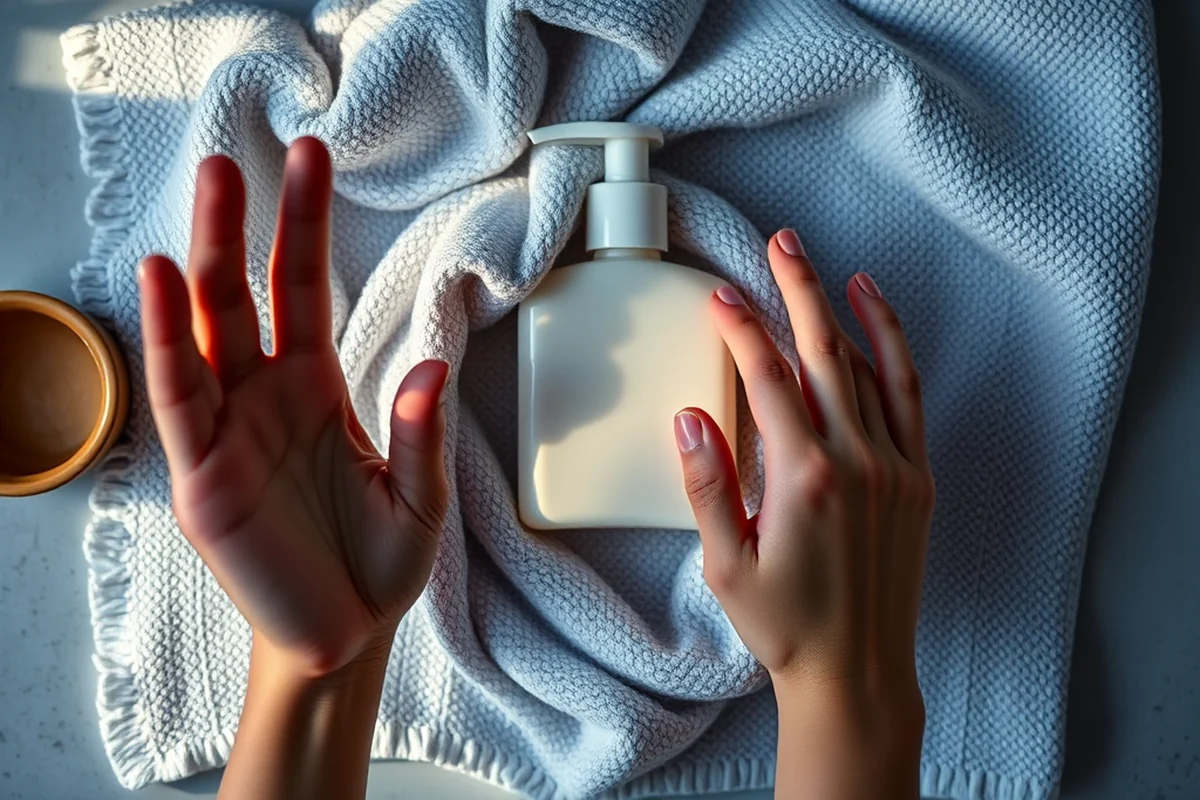
Cold weather, low humidity, and exposure to wind can all exacerbate dry, itchy skin. I found that using a humidifier in my bedroom during the winter helped maintain my skin’s hydration levels and reduced the frequency of flare-ups.
Also, I noticed that wearing gloves during cold weather helped protect my hands from drying out. This simple step made a noticeable difference in the texture of my skin.
If you live in a dry climate or spend a lot of time outdoors, it’s important to take extra precautions. Using a heavier moisturizer and applying it more frequently can help counteract the effects of these environmental stressors.
Related: Dry skincare routine for beginners
The Benefits of a Skincare Routine
In addition to using a good moisturizer, I found that incorporating a gentle cleanser and a hydrating toner into my routine helped improve the overall health of my skin. These products worked together to prepare my skin for better absorption of the lotion.
I also noticed that using a warm compress before applying my lotion helped open up my pores and allowed the product to penetrate more deeply. This made the hydration feel more immediate and long-lasting.
A skincare routine that includes exfoliation once a week can also help remove dead skin cells and allow the lotion to reach the skin more effectively. I used a gentle chemical exfoliant once a week and saw a noticeable improvement in my skin’s texture.
Related: Beauty routines for dry skin explained
The Role of Diet and Lifestyle
I noticed that eating more foods rich in omega-3 fatty acids, such as salmon and flaxseeds, helped improve the overall health of my skin. These nutrients are known to support the skin’s barrier function and reduce inflammation.
I also found that staying hydrated by drinking at least eight glasses of water per day helped keep my skin plump and less prone to dryness. This was especially noticeable in the mornings, when my skin felt the most hydrated.
In addition to diet, getting enough sleep and managing stress were important for maintaining healthy skin. I noticed that when I was stressed or didn’t get enough sleep, my skin became more sensitive and prone to flare-ups.
What you eat and how you live can have a big impact on your skin’s health.
Related: Essential dry skin routines tips
The Importance of Patch Testing
Before using a new lotion, I always do a patch test on a small area of my skin, such as the inside of my wrist. This helps me determine whether the product will cause irritation or an allergic reaction.
I found that this step was especially important when trying new products, as some ingredients can be too harsh for sensitive skin. By patch testing, I was able to avoid products that caused redness or itching.
Patch testing is a simple but effective way to ensure that the product works for your skin. It can save you time and money in the long run by helping you avoid products that don’t suit your needs.
The Impact of Over-Exfoliation on Dry Itchy Skin
I once used a chemical exfoliator daily for two weeks, and my skin became intensely dry and itchy. My dermatologist explained that over-exfoliating can strip away the skin's natural oils, leading to a 30% reduction in moisture retention. This makes the skin more vulnerable to irritation and dryness. It's crucial to limit exfoliation to 1-2 times a week and opt for gentle formulas with low concentrations of AHAs or BHAs, like 5% glycolic acid, which is less harsh on sensitive skin.
Using a pH-balanced cleanser and following up with a hydrating toner can help restore the skin’s barrier. I now use a toner with 2% hyaluronic acid after exfoliating, which has significantly reduced my skin's sensitivity. It's also important to avoid physical exfoliants like scrubs, which can cause microtears in the skin. Instead, use a soft muslin cloth with a gentle cleanser for mechanical exfoliation.
I recommend waiting at least 48 hours between exfoliation sessions to allow the skin to recover. During this time, apply a thick moisturizer with ceramides and niacinamide to reinforce the skin barrier. I've noticed that my skin feels calmer and less itchy when I follow this routine. Remember, exfoliation should be a complement to, not a replacement for, a consistent moisturizing routine.
🌸 Sensitive Skin
For those with sensitive skin, look for lotions that are free from fragrances, dyes, and harsh chemicals. These products provide gentle hydration without causing irritation.
💰 Budget-Friendly
There are many high-quality lotions available at an affordable price. Look for products with key ingredients like hyaluronic acid and ceramides, which are effective for dry, itchy skin.
🧼 Minimalist
Minimalist skincare routines focus on using fewer products to achieve the best results. A single, high-quality lotion can provide all the hydration your skin needs.
📍 Targeted
Targeted lotions are designed for specific skin concerns, such as eczema or psoriasis. These products contain ingredients that are tailored to address these issues.
🔄 Maintenance
Maintenance lotions are designed for everyday use and help keep your skin hydrated and healthy. These products are ideal for those who want to maintain their skin’s health on a daily basis.
| The mistake | Why it happens | The fix |
|---|---|---|
| Using the wrong type of lotion for sensitive skin. | Lotions that contain fragrances, dyes, or harsh chemicals can cause further irritation and make dry, itchy skin worse. | Choose a lotion that is specifically formulated for sensitive skin and free from irritants. |
| Not using the lotion frequently enough. | Dry, itchy skin requires more frequent hydration to maintain balance and prevent flare-ups. | Apply your lotion at least four times a day, especially after washing your hands or face. |
| Using a heavy lotion on the face. | Heavy lotions can clog pores and lead to breakouts, especially on the face where the skin is more sensitive. | Use a lightweight, fast-absorbing lotion on your face and a heavier formula on your body. |
| Ignoring the importance of a skincare routine. | A skincare routine that includes a cleanser, toner, and exfoliant can enhance the effectiveness of your lotion and improve overall skin health. | Incorporate a gentle cleanser and hydrating toner into your routine to prepare your skin for better absorption of the lotion. |
What Is Best Lotion For Dry Itchy Skin
Common Questions
How long does it take to see results from using a new lotion?
Can I use a lotion for dry itchy skin on my face and body?
Are there any side effects of using lotions for dry itchy skin?
How much lotion should I use each time?
References
- MPOX: WHAT TO DO IF YOU ARE SICK (alabamapublichealth.gov)
- Pruritus: Causes & Treatments for Itchy Skin - Cleveland Clinic (my.clevelandclinic.org)
Cite this guide
Barrierdew (2026). What Is Best Lotion For Dry Itchy Skin. https://barrierdew.com/what-is-best-lotion-for-dry-itchy-skin/
Feel free to cite or share this guide.